What Makes a Men’s Business Suit Look Professional and Stylish?
A great men’s business suit does something more than just cover your body; it shapes you. The way you are looked at, perceived, and admired by your colleagues, clients, and interviewers is all that a great business suit does. In a survey by the National Association of Colleges and Employers (NACE) of 457 employers who recruit new graduates, 92% of them said that a candidate’s overall look and appearance influenced their opinion of that candidate. The effect of this dress-up won’t just stop in the interview room, but it will be carried forward into every meeting, pitch, and handshake.
The good news is that looking sharp in a business suit isn’t just about spending the most money or owning multiple pairs of suits in your wardrobe. It comes down to the kind of fundamentals that you prefer: fit, fabric, color, and detail. These important things are what separate a normal suit from
A professional one. To know what factors actually influence the men’s business suit, have a look at this blog till the end.
1) Fit is the Foundation, Not an Afterthought
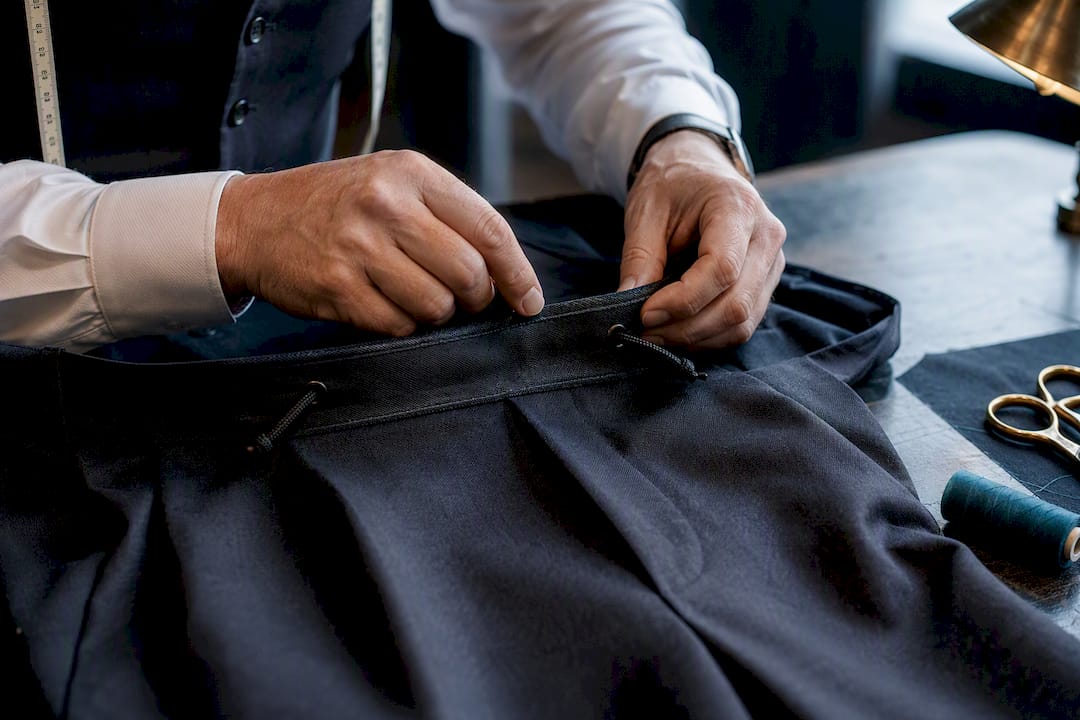
No amount of expensive fabric or fashionable colour can take the place of a proper fit. Nothing can be meaningful if something doesn’t fit you. A fitting is the single biggest factor that shapes the personality of a suit, but if it’s not properly fitted, it won’t look professional or good on you in any way. The following are some of the major checkpoints that you should keep in mind before buying:
-
Shoulders: The seam should be exactly at the place where your shoulder meets your arm. Remember, this is the hardest part of the jacket to alter later on, so be careful in the beginning itself during the purchase.
-
Sleeves: Make sure to focus on showing just a quarter to half an inch of shirt cuff below the jacket sleeve.
-
Jacket Length: The hem should cover your seat without extending much past your knuckles when your arms hang naturally.
-
Trousers: A clean break at the shoe, with no excessive bunching at the ankle
-
Chest & Waist: You should be able to button the jacket without pulling an ‘X’ crease across the front.
If a ready-made suit is fulfilling all these conditions and has a good fit, it’s great. But if not, then a tailor’s alterations are almost always worth the modest cost. A $700 suit tailored well will be a much better option than a $2,000 one that doesn’t fit you.
2) Fabric Determines Comfort, Longevity, and How the Suit Ages
The fabric affects how the suit drapes, how much life it has, and how comfortable it is during a hectic day in the office. For business sitting, wool remains the industry standard for a very good reason. According to the Woolmark Company, merino wool is naturally breathable, wrinkle-resistant, and drapes exceptionally well, which is the main reason why it remains the fabric of choice among tailors.
Here’s a quick comparison to help you understand what material you should choose based on the climate and use case:
|
Fabric Type |
Best For |
Breathability |
Durability |
Notes |
|
Worsted Wool (Super 100s - 120s) |
Year-round office wear |
High |
Excellent |
The most versatile, all-purpose choice |
|
Tropical/Fresco Wool |
Hot climates, summer |
Very High |
Good |
Lightweight, open weave |
|
Wool-Cashmere Blend |
Formal winter meetings |
Moderate |
Good |
Softer hand, added warmth |
|
Wool-Polyester Blend |
Frequent travel, budget suits |
Low-Moderate |
Very Good |
Wrinkle-resistant but less breathable |
|
Linen Blend |
Casual summer business settings |
High |
Moderate |
Textured, relaxed look, not ideal for formal boardrooms |
For most professionals, a mid-weight worsted wool in the 260-300 gsm range is the safest, most durable choice for year-round wear.
3) Color & Pattern Set the Tone
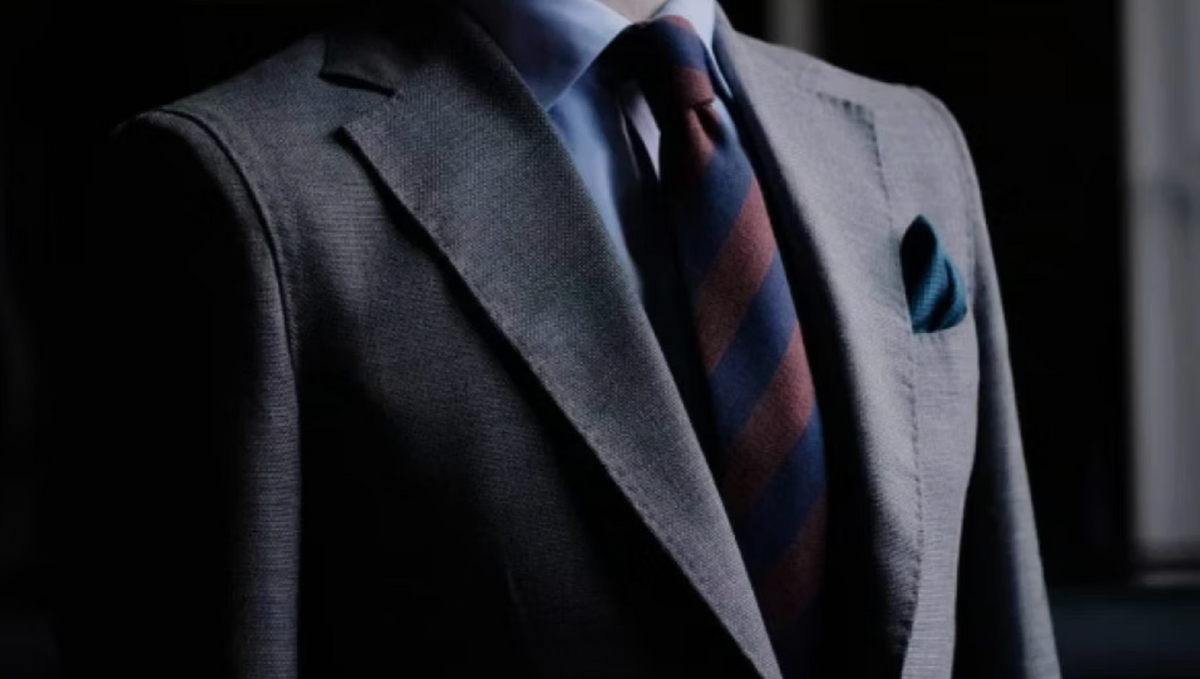
Color communicates before anything else does. For important business suits, stick to a foundation of navy, charcoal, and mid-grey, as these colors show an authoritative personality without appearing overdone, and they also go well with different shirt and tie combinations. Solid colors and subtle patterns like pinstripes or micro-checks are the safest for client interaction or interview settings; bolder patterns and textures are better reserved for less formal business-casual environments.
A very simple rule that you should follow is to choose conservative colors and patterns during client meetings and interview settings.
4) The Details that Signal Quality In The Make
Once fit, fabric, and color are handled, small or minor details are what separate a ‘fine’ suit from the one that looks genuinely professional:
-
Lapels: Notch lapels for everyday business wear and peak lapels for a slightly sharper and more formal edge.
-
Buttoning: Two-button jackets are the modern business standard. Button the top when you are standing and open it when unseated.
-
Stitching & Lining: Clean, even stitching and a well-finished lining signal better construction.
-
Shirt & Tie Coordination: Keep contrast intentional. For instance, crisp white or light blue shirt is a safe, professional base for almost any suit color.
5) Common Mistakes that Undercut a Professional Look
Even a good suit can look wrong if it is paired with the wrong shirt, tie, or other kinds of basics. Watch for these things carefully to avoid an unprofessional look:
-
Wearing trousers that pool or drag at the shoe
-
Skipping a proper undershirt, which can lead to visible sweat marks
-
Mismatched belt and shoe leather colors
-
Overly shiny or synthetic-looking fabric under office lighting
-
Wearing the same kind of suit daily without rotation, which can affect the wear and its shine
Conclusion
A professional, stylish business suit isn’t just about following the trendy styles; it’s about keeping the fundamentals right: a fit that is according to your measurements, a fabric that is suited to the climate and schedules, colors that show authority, and details that define you and the occasion. Get these four things right, and the suit will perform its job well.
So, are you ready to build a professional business wardrobe? Explore the collection at Ron & Rich for professional tailored men’s business suits or book a fitting consultation with our team to find the best fit, fabric, colour, and style according to your requirements. Always remember, first impressions are the last impressions, so make a good one.
Frequently Asked Questions
Q1: What makes a business suit look expensive?
Fit is the biggest factor, followed by fabric quality (natural fibers like wool drape better than synthetics) and finishing details like clean stitching and properly pressed lapels.
Q2: How often should a business suit be dry cleaned?
Most suits only need dry cleaning every 3–5 wears. Over-cleaning breaks down the fabric fibers faster; spot cleaning and regular airing out extend a suit's life between cleanings.
Q3: What color suit is safest for a job interview?
Navy or charcoal grey are the safest, most universally professional choices across industries.
Q4: Should a business suit be tailored even if bought off the rack?
Yes. Very few people fit an off-the-rack suit perfectly. Minor alterations to the waist, sleeves, and trouser length make a significant visible difference.

Written by Digi Hawks Marketing