Diagnose a Suit Collar Gap in Six Tailor Checks
A collar gap is the visible space where a jacket collar pulls away from the back of the neck instead of sitting flush against the shirt collar, and most cases trace back to the shoulders or the collar’s own construction rather than the collar seam itself. Some gaps are a quick tailoring job; others signal a jacket block that was never right for your frame and may call for a remake. This guide walks through the diagnostic checklist, the fixes a tailor can reasonably attempt, their costs and limits, prevention at the point of purchase, and the checklist we use with clients at the fitting stage.
TL;DR:
- Most collar gaps originate from shoulder misalignment or jacket block issues, not the collar seam itself, requiring proper diagnosis before fixing.
- A jacket collar should sit flush against the shirt collar with no daylight or gaps, moving naturally as the head turns; any deviation indicates a fit problem.
- Testing with shirts of different collar heights helps determine if the gap is caused by the jacket, shirt, or combination of both.
- Alterations to close collar gaps are limited and risky, often involving shoulder adjustments or re-blocking, which are more costly and time-consuming.
- For persistent or recurring gaps, a bespoke jacket built around your shoulder and posture is often more effective than repeated repairs.
Table of Contents
- What a correctly seated collar should look like
- Why collar gaps happen: a step-by-step diagnostic checklist
- What tailors can do: alterations, costs, timelines and risks
- Ron’s tailor checklist: what to bring and how to prioritise fixes
- How to prevent collar gap when buying or ordering
- What I tell clients about collar fit
- How we can help with a gaping collar
- FAQ
- Sources
What a correctly seated collar should look like
A well-seated jacket collar lies close against the neck with a calm, even roll, meeting the shirt collar without a visible opening or ridge of fabric standing proud. There should be no painful pressure at the throat, no flapping when you turn your head, and no daylight visible between jacket and shirt collar when you look in a side mirror, as outlined in this guide to tailoring.
It helps to separate two rules that often get confused. The familiar “finger room” guidance, where you should be able to slide a finger comfortably between your neck and the shirt collar, governs shirt fit at the throat. It has nothing to do with the space between jacket and shirt collar, which should show no gap at all when the jacket is properly cut and worn. Conflating the two rules is one of the most common reasons people misjudge their own fit.
A handful of checks, done in front of a mirror with the jacket buttoned, will tell you most of what you need to know:
- Look from the side: the jacket collar should sit flush against your shirt collar with no sliver of shirt visible above it.
- Turn your head slowly left and right: the jacket collar should move with your neck, not stay rigid while a gap opens behind it.
- Run a finger along the back of the collar: you should feel continuous contact with your neck, not an air pocket.
- Check the shoulder seam first: if it sits correctly on the shoulder bone, the collar problem is more likely in the collar or block than in the shoulder itself.
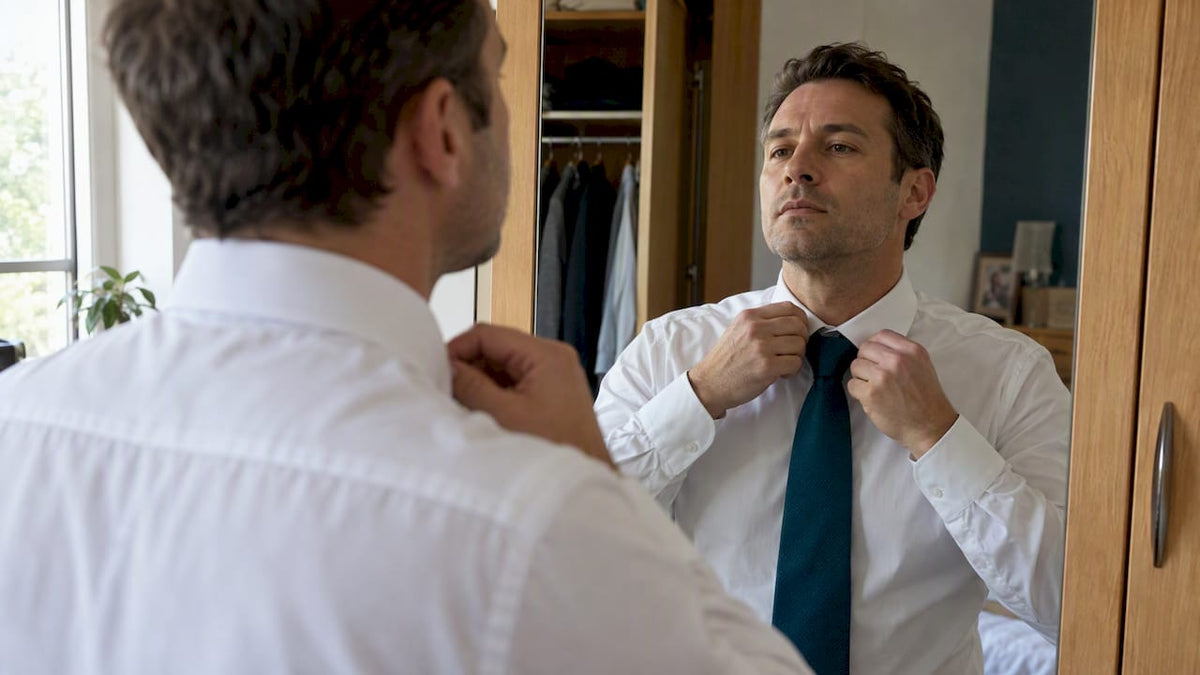
Shirt collar choice plays a bigger role here than most men expect, as seen in expert men’s golf outfit ideas that emphasize the importance of collar and fit for looking sharp on and off the course (Plaid Gorilla Golf). A soft, low-banded shirt collar can allow a perfectly cut jacket to look as though it gaps, simply because the shirt collar is not giving the jacket enough to sit against, a point the same tailoring guide makes explicitly. Before you blame the jacket, try the same collar check with a shirt that has a firmer, higher band.
Why collar gaps happen: a step-by-step diagnostic checklist
Most collar gaps have one of six root causes, and working through them in order saves you from paying for the wrong fix.
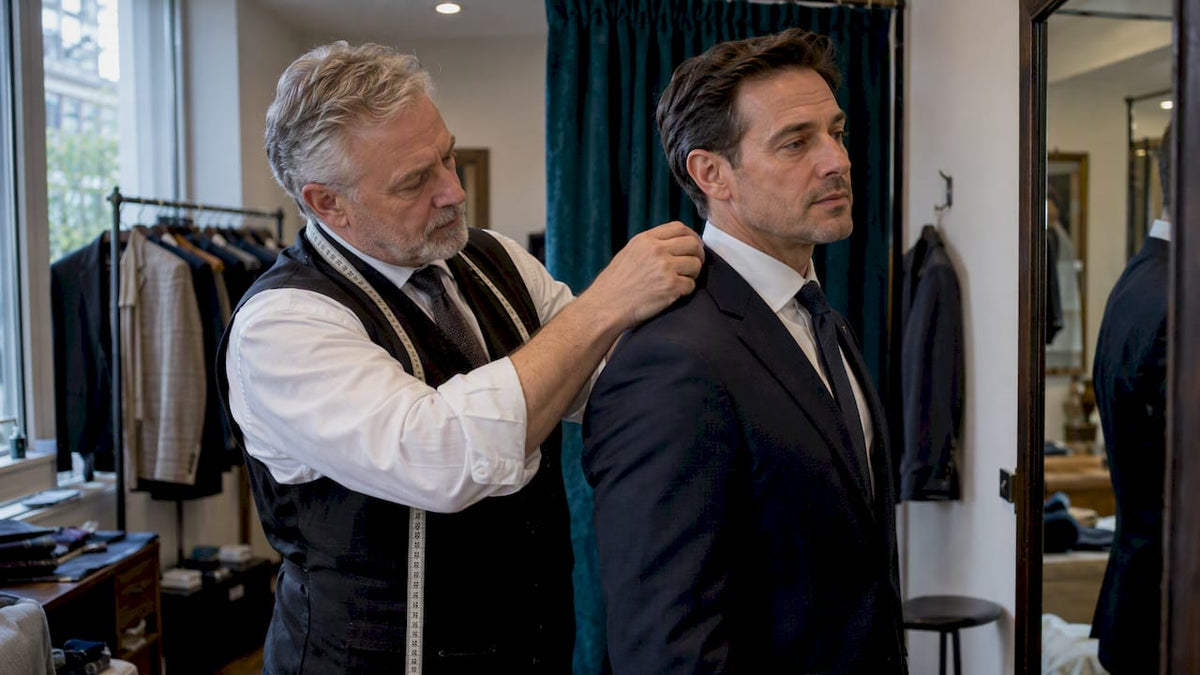
- Check the shoulder seam. Stand square to a mirror and trace the seam from neck to sleeve head. If it dips, twists, or sits past the edge of your shoulder bone, the shoulder is the primary fault, and a collar gap is usually a secondary symptom of that misalignment.
- Inspect the collar stand and roll. A collar band cut too short for your neck circumference, or a roll that has been pressed flat rather than shaped, will leave a gap no matter how good the shoulders are.
- Look for horizontal folds at the nape. Folds or a gap just below the collar at the back of the neck usually point to a jacket block that is too narrow across the upper back for your posture.
- Check chest and waist balance. If the jacket is cut too close through the chest or nipped too hard at the waist, the fabric can pull forward and drag the collar away from the neck, even though the collar itself is well made.
- Test with a different shirt collar. Swap in a shirt with a higher, firmer band and repeat the mirror checks from the previous section. If the gap shrinks noticeably, the shirt was masking or amplifying a jacket that is otherwise close to correct.
- Assess posture and neck carriage. A forward head position or sloped shoulders changes how any jacket collar sits, and a tailor will often ask you to stand naturally, not at attention, before judging the fit.
Fitting sequence matters as much as the checks themselves. A recommended approach confirms jacket length first, then inspects collar, back, shoulders and chest in that order, because structural areas need to be settled before anything else is touched, according to this jacket fit sequencing guide. Skipping ahead to the collar before the shoulders are confirmed is one of the most common ways a repair creates a new problem elsewhere.
Pro Tip: Photograph yourself from the back and both sides before any fitting: a tailor working from still images can often spot a shoulder or block issue faster than from a single standing view in the mirror.
Community fit discussions back this up from the other direction: forum threads repeatedly show collar gaps being misdiagnosed as a collar-band problem when the real issue was the shoulder or back block all along, according to this sport coat fit discussion.
What tailors can do: alterations, costs, timelines and risks
Once the cause is identified, the available fixes range from minor to substantial, and not every gap deserves the same level of intervention.
- Shoulder adjustment. Re-setting the shoulder seam or re-padding it addresses a dipping or twisted seam, and is often the fix that resolves a collar gap without ever touching the collar itself.
- Collar shortening or reshaping. Taking in the collar band or reshaping the roll can close a gap caused by a genuinely oversized collar stand, but it is one of the more delicate alterations a tailor will attempt.
- Nape and back adjustment. Taking in fabric at the centre back seam can close horizontal folds at the nape caused by a block that is too generous across the upper back.
- Re-blocking the jacket. A more involved reshaping of the jacket’s structure, usually reserved for cases where the shoulder and back issues are significant enough that smaller alterations will not hold.
Each of these carries real limits. Collar work is a high-risk alteration: shortening or reshaping the collar band can shift the jacket’s overall balance, sometimes producing puckering or a new imbalance at the chest or lapel that was not there before. Forum discussions on collar shortening repeatedly flag the same trade-off, debating both the price of the work and the visible compromises it can introduce, as seen in this collar gap thread. A competent tailor will want to confirm shoulders, chest and posture before pinning the collar at all, precisely because collar surgery is difficult to reverse.
Costs and turnaround vary widely by tailor, city and the scope of the work, so it is worth getting a quote from a tailor who has physically inspected the jacket rather than relying on a figure from elsewhere. As a general guide, a shoulder adjustment or nape take-in is usually a faster job than collar reshaping or re-blocking, which can involve partially deconstructing the jacket.

When a jacket has been through two or three rounds of alteration and the gap persists, or the block itself was wrong for your frame from the outset, a bespoke remake usually costs less in the long run than continued patching, and delivers a collar seat built around your actual shoulders rather than adjusted after the fact.
Ron’s tailor checklist: what to bring and how to prioritise fixes
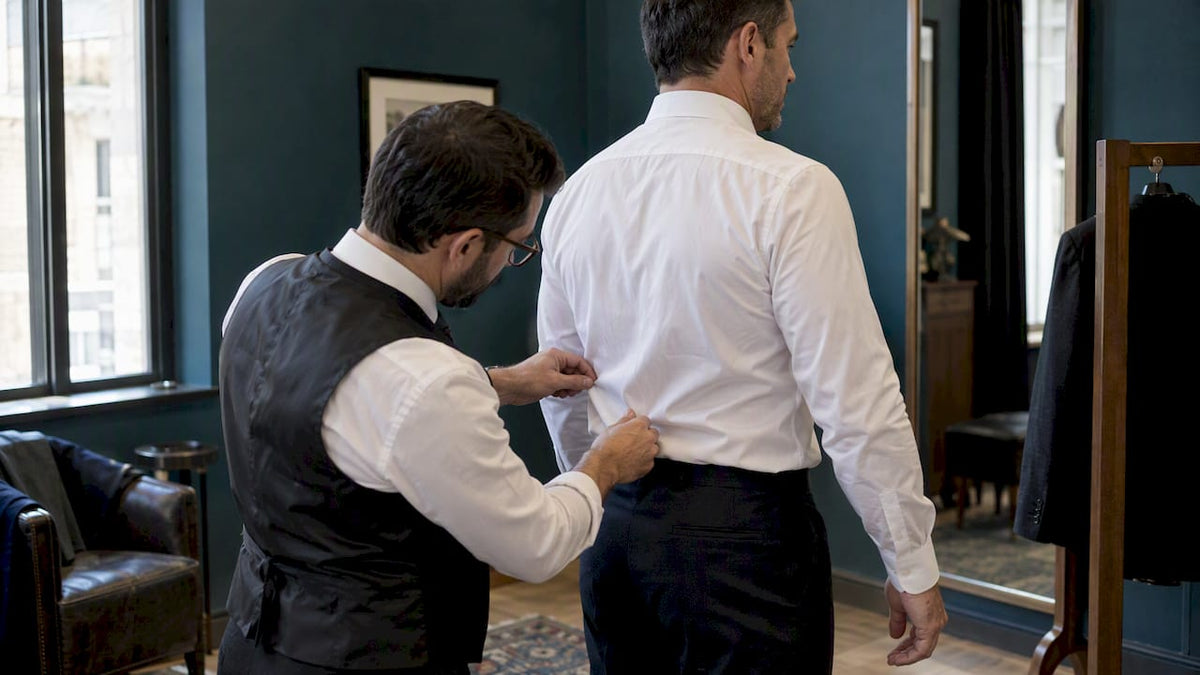
When a client comes to us with a gaping collar, we work through the same sequence every time, because the order of checks matters as much as the checks themselves.
- Bring the jacket and the shirt you actually wear with it. A gap that looks severe with one shirt can shrink considerably with a firmer collar band.
- Bring photographs from the back and both sides. Still images, taken in natural light, show shoulder and collar alignment more clearly than a quick glance in a changing-room mirror.
- Describe the problem precisely. Say “gap at the back of the neck” rather than “collar doesn’t fit”: the former points a fitter straight to the shoulder and block, the latter invites a collar fix that may not be needed.
- Ask the tailor to confirm shoulders before anything else. This is the single most important instruction you can give, because it stops a collar from being pinned before the real cause is settled.
- Ask what happens to the chest and lapel if the collar is reshaped. A tailor should be able to explain the balance trade-off before making a cut.
Priority order matters: shoulders first, because nearly everything else is built relative to the shoulder line; then collar, because it depends on the shoulder being correct; then chest and waist, because pulling here can drag the collar regardless of how good the shoulder work was; then sleeves, which rarely affect the collar but are worth checking in the same sitting.
One red flag to watch for: a tailor who offers to pin and alter the collar on the first visit, before confirming shoulders and posture, is skipping a step that professional fitting practice treats as essential.
Pro Tip: Ask the tailor to show you the proposed fix on the jacket while it is still on you, not after it is off: a collar reshaping that looks fine on a flat table can behave very differently once the jacket is back on your shoulders.
How to prevent collar gap when buying or ordering
Preventing a collar gap is almost always cheaper than fixing one, and most of the work happens before you ever leave the fitting room.
- Check the shoulder seam sits exactly on your shoulder bone before you look at anything else, including the collar.
- Button the jacket and check the collar seat with the same shirt collar height you intend to wear it with regularly.
- Favour a firmer, higher shirt collar band if you plan to wear the jacket with softer-collared shirts, since collar height changes how the jacket sits, as this tailoring guide notes.
- When briefing a bespoke tailor or an MTM house, mention your posture explicitly, particularly a forward head position or sloped shoulders, so the pattern accounts for it from the start.
What I tell clients about collar fit
Persistent collar gaps are rarely a one-alteration problem, and the biggest mistake I see is clients asking for the collar to be touched before anyone has confirmed the shoulders. It feels like the obvious fix because the gap appears at the collar, but the shoulder is almost always where the real story is written.
The second mistake is accepting a quick patch rather than testing it properly: walking, turning, sitting, and checking the collar again before deciding the job is finished. A jacket that looks right standing still can still gap the moment you reach for something.
For a jacket that has already been through more than one round of alteration, bespoke is often the more sensible route. A pattern built around your actual shoulders and posture avoids the layered compromises that repeated fixes tend to leave behind.
— Ron
How we can help with a gaping collar
If your jacket’s collar gap traces back to the shoulders or block rather than a simple shirt mismatch, an alteration has real limits, and we are happy to say so rather than oversell a patch. We build bespoke suits around your own shoulder line and posture from the first fitting, which avoids the layered compromises that come from altering a jacket that was never quite right to begin with.

- For a jacket that is otherwise close to correct, ask about targeted alteration work before committing to a remake.
- For a jacket that has already had two or more rounds of fixes, a bespoke commission usually serves you better than another patch.
- Bring the jacket, the shirt you wear with it, and photographs from the back and sides to your first appointment.
Our suits, sports jackets, tuxedos and more start from $2,170 for a bespoke suit, with custom shirts from $199, and a consultation is the fastest way to find out whether your collar gap needs a tailor’s adjustment or a fresh pattern built around you.
FAQ
How can I fix collar gaps in my suit?
Start by checking the shoulder seam, since most collar gaps trace back to shoulder alignment rather than the collar itself. If the shoulders are correct, a tailor can look at the collar stand, nape, or jacket block, but collar reshaping carries real risk to the jacket’s balance and should be the last fix attempted, not the first.
How much collar gap is acceptable?
A properly fitted jacket collar should show no visible gap against the shirt collar at all, with the two meeting in a calm, close line around the neck, according to this tailoring guide. Any consistent daylight or fabric standing proud between jacket and shirt collar signals a fit issue worth checking.
How should a collar sit in a suit?
The jacket collar should lie flush against the back and sides of the neck and meet the shirt collar without a visible gap, flapping, or pressure point. It should move with your head rather than staying rigid while a gap opens behind it when you turn.
Why does my suit jacket flare out at the bottom?
Flaring at the hem is usually a symptom of broader balance issues, such as a jacket that is too loose through the body or incorrectly proportioned at the chest and waist, rather than a hem problem on its own. It is worth checking overall silhouette and balance, including the button stance and waist suppression, before assuming the hem itself needs altering, as discussed in this jacket fit thread.
Sources
- Guide to tailoring (TheSmartLocal)
- Tailor jacket fit sequencing (Roetzel guide on Scribd)
- Sport coat fit and collar gap (Styleforum thread)