Shirt Gussets: Function, Construction, and Fit
A shirt gusset is a small triangular or diamond-shaped piece of fabric inserted where seams meet, either to reinforce a stress point or to restore freedom of movement. The decision rule is straightforward: request a side gusset when the hem junction of your shirt tails tears or strains repeatedly, and request an underarm gusset when overhead movement pulls the shirt tight across the shoulders. As Oliver + S notes in their shirt gusset tutorial, the side version typically strengthens the point where two shirt tails meet, while the underarm version addresses mobility. At Ron & Rich, founded in 1979 by master tailor Richard Fan, gussets are a considered structural choice, not an afterthought.
Key Takeaways
Shirt gussets are a precise structural tool: the right type, placed correctly, solves a fit or durability problem that no other alteration addresses as cleanly.
| Point | Details |
|---|---|
| Definition | A triangular or diamond fabric insert placed at seam intersections to add strength or mobility. |
| Two primary types | Side/hem gussets reinforce the shirt tail junction; underarm gussets restore range of motion. |
| Baste before you stitch | Always baste and test movement first, it prevents misfit and avoids reopening finished seams. |
| Seam allowance matters | Add up to 1" seam allowance on the gusset piece to allow for fit adjustments and prevent puckering. |
| Ron & Rich bespoke shirts | Ron & Rich builds gussets into fitted and dolman-sleeve shirts at the pattern stage for Singapore clients. |
Table of Contents
- What are the main types of shirt gussets?
- How are shirt gussets constructed and sewn?
- When should you ask for a gusset?
- How do fabric and design choices affect a gusset?
- What to expect when you bring a shirt to a tailor for a gusset
- Why Ron & Rich includes gussets in bespoke shirts
- When I recommend a gusset
- Get a gusset professionally added in Singapore
- Sources
What are the main types of shirt gussets?
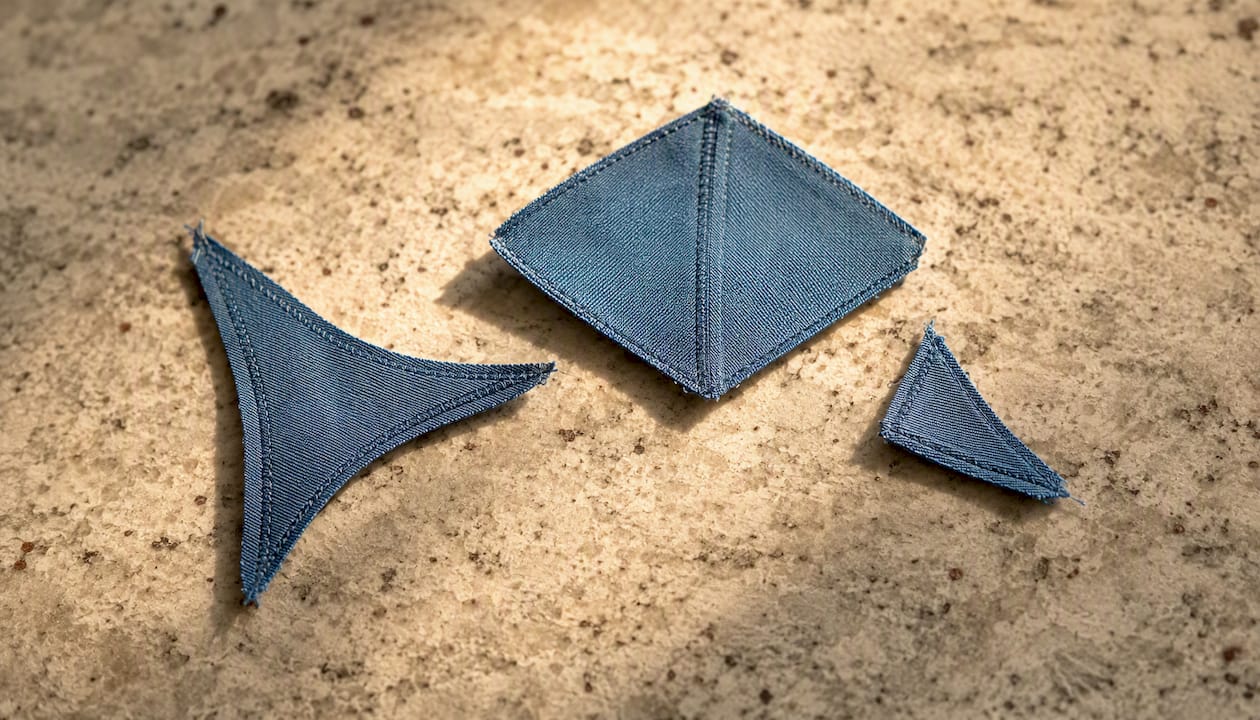
Gusseted shirts use one of three principal insert types, each suited to a distinct purpose and placement on the garment.
| Gusset Type | Shape | Primary Purpose | Placement |
|---|---|---|---|
| Side/hem gusset | Triangle or folded diamond | Reinforcement at shirt tail junction | Side seam, near hem |
| Diamond underarm gusset | Diamond (four-point) | Mobility across shoulder and armscye | Armpit, between sleeve and body |
| Sleeve-conversion gusset | Triangle or diamond | Restores fabric removed in kimono/dolman conversion | Underarm seam of converted sleeve |
The side gusset is the most common type in classic shirting. It sits at the base of the side seam where the front and back shirt tails curve away from each other, a point that bears repeated tension every time you tuck or move. Threads magazine’s guide to sewing gussets explains that underarm gussets, by contrast, are inserted into the armpit area specifically to manage tension across the shoulder and armscye, making them the preferred choice for fitted garments and performance wear.
The sleeve-conversion gusset is less familiar to most clients but structurally critical. When a set-in sleeve is converted to a kimono or dolman cut, fabric is removed from the underarm area. A gusset replaces that fabric and reconciles the streamlined silhouette with the full range of human arm movement. Master tailors cite this as a key structural application rather than a decorative one.
Pro Tip: When reviewing a shirt for gusset placement, raise your arm fully overhead while wearing it. If the hem lifts significantly above the waistband, an underarm gusset will solve the problem more cleanly than letting out the side seams.
How are shirt gussets constructed and sewn?
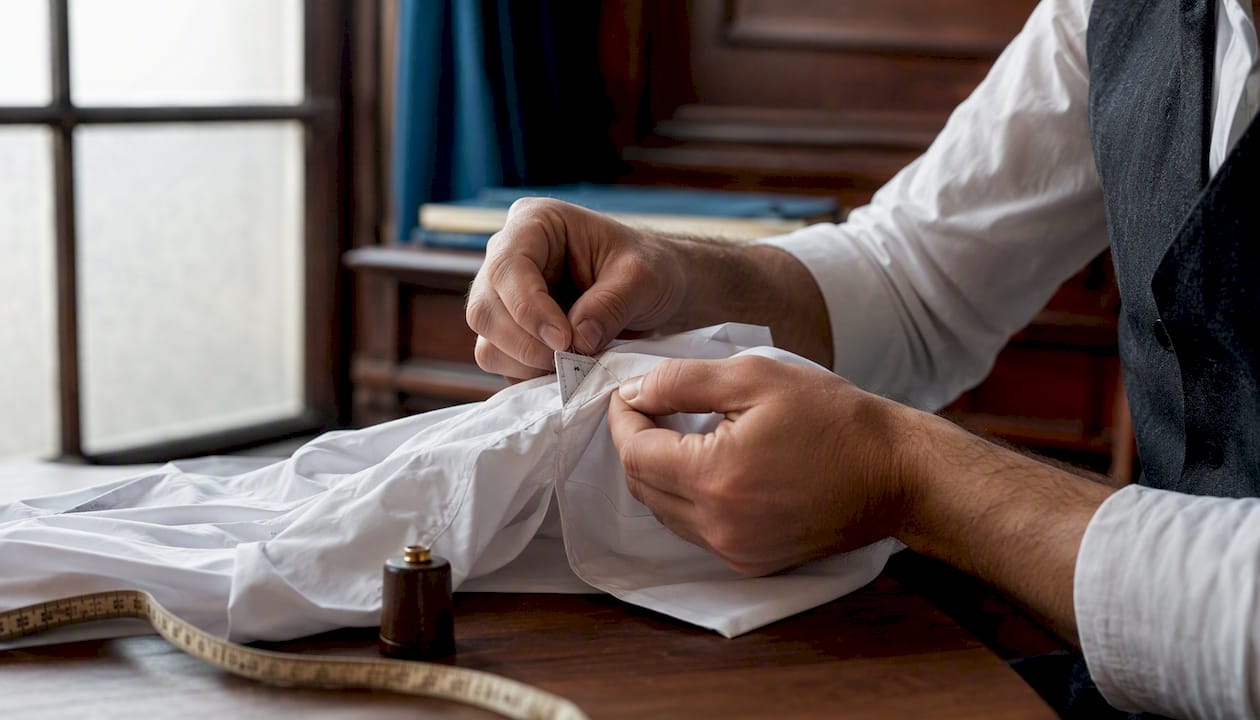
The method follows a clear sequence: open the relevant seam, cut and prepare the gusset piece, baste it in place, stitch each edge with precise pivoting at corners, then finish and press. That sequence is the same whether you are working on a side hem or an underarm diamond.
Step-by-step construction workflow:
- Prepare the shirt. Press the area flat and mark the seam intersection where the gusset will sit. Clip the seam allowances at the insertion point so the fabric can spread without pulling.
- Draft and cut the gusset piece. For a side gusset, a small triangle or folded diamond roughly 1.5–2 inches across is typical. The Sewing Garden recommends adding up to 1" seam allowance on the gusset piece when you are unsure of fit, giving room to adjust during basting and avoiding the puckering that comes from an undersized insert.
- Open the seam. Unpick the seam for a short distance above and below the insertion point. Press the seam allowances open so the gusset lies flat.
- Baste first. Pin or hand-baste the gusset into the opening. Try the shirt on or check movement before committing to machine stitching. Seam Whisperer’s diamond underarm gusset tutorial notes that basting and testing movement before final stitching is the single most effective way to avoid a misfit.
- Stitch each edge. Sew one edge at a time using a straight stitch at the recommended seam allowance. At each corner point, stop with the needle down, lift the presser foot, pivot the fabric, and continue. Backstitching at each corner adds durability.
- Finish raw edges. Serge or zigzag each seam allowance to prevent fraying. Press the seam allowances toward the gusset so the insert lies flat and covers the hem edge cleanly.
- Final press and check. Press the finished gusset from the right side under a damp cloth. Check that no corner point is caught in an adjacent seam and that the shirt hangs without distortion.
Pro Tip: Leave the very tip of each gusset corner point free during your first pass of stitching. Catching the point too early creates a small tuck that is nearly impossible to remove without reopening the seam entirely.
When should you ask for a gusset?
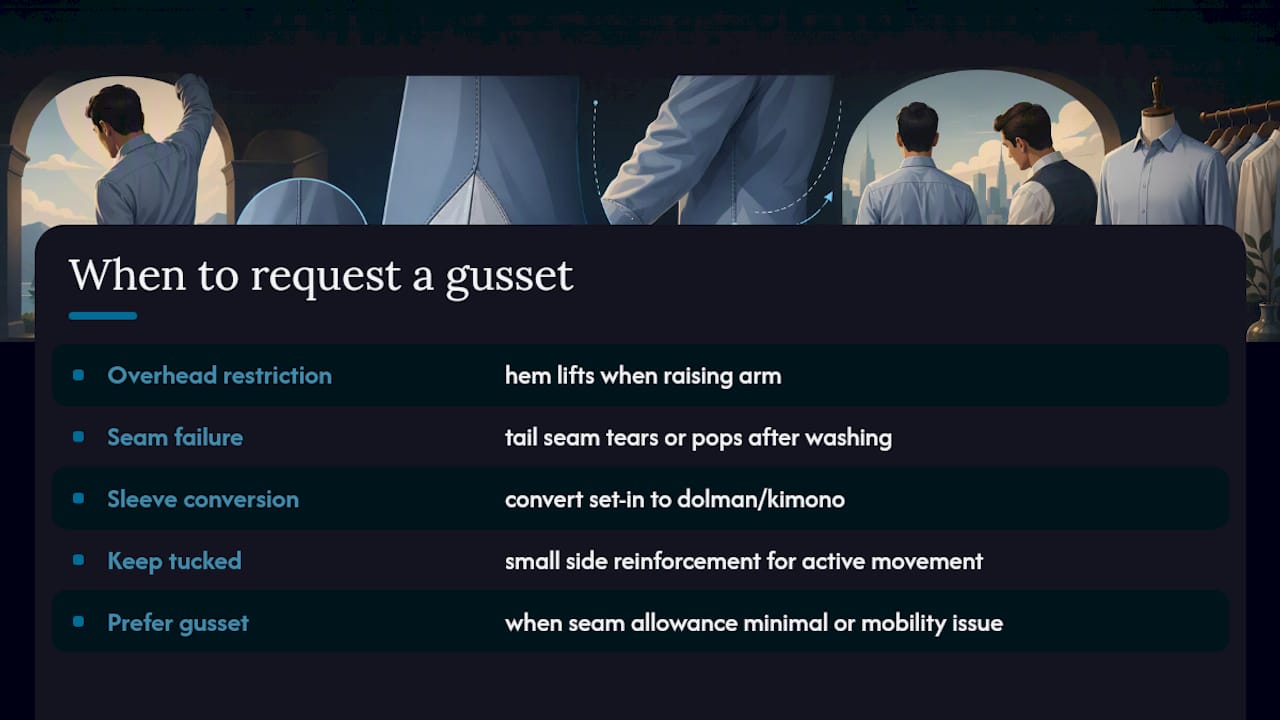
Four situations consistently call for a gusset rather than a simpler alteration. Restricted overhead movement that lifts the hem is the clearest signal for an underarm insert. Recurring seam failure at the shirt tail junction, where the fabric tears or the seam pops after repeated washing, points to a side gusset. Converting a set-in sleeve shirt to a dolman or kimono style requires a gusset structurally. And a fitted dress shirt that needs to stay tucked during active movement often benefits from a small side reinforcement.
The labor involved is real. Oliver + S describes gusset insertion as a detail that requires removing seams, precise pivoting, and careful finishing, which is exactly why mass-produced garments omit them. A factory line cannot absorb the handwork. In a bespoke context, that same complexity is a mark of considered construction, not an obstacle.
A gusset is the better choice over simply letting out a side seam when the seam allowance is already minimal, or when the problem is mobility rather than circumference. Re-cutting pattern pieces is a more involved intervention; a well-placed gusset solves a targeted problem with less disruption to the garment’s overall silhouette.
How do fabric and design choices affect a gusset?
Material selection shapes both the function and the appearance of the finished insert.
- Matching shirting fabric is the standard choice for a hidden gusset. Cut on the same grain as the surrounding panels, it blends into the seam and adds no visual weight.
- Stable cotton blends work well for side gussets where reinforcement is the goal; they resist stretch and hold their shape through repeated laundering.
- Lightweight linen suits warm-weather shirts where breathability matters as much as structure.
- Stretch knit is appropriate for active or performance garments where the gusset itself needs to flex with the body.
- Contrast fabric turns the gusset into a deliberate design detail, visible at the hem or underarm. The Chic Tribe’s guidance on adding a gusset recommends matching fabric weight and drape to the garment regardless of color choice, since a heavier insert will pull the surrounding fabric out of alignment.
For shape, a diamond is generally preferred over a simple triangle for underarm gussets as it distributes stress across four seam lines rather than three, reducing the chance of any single seam bearing the full load. A small triangle remains the practical choice for side hem reinforcement, where the geometry is simpler and the stress is more localized.
What to expect when you bring a shirt to a tailor for a gusset
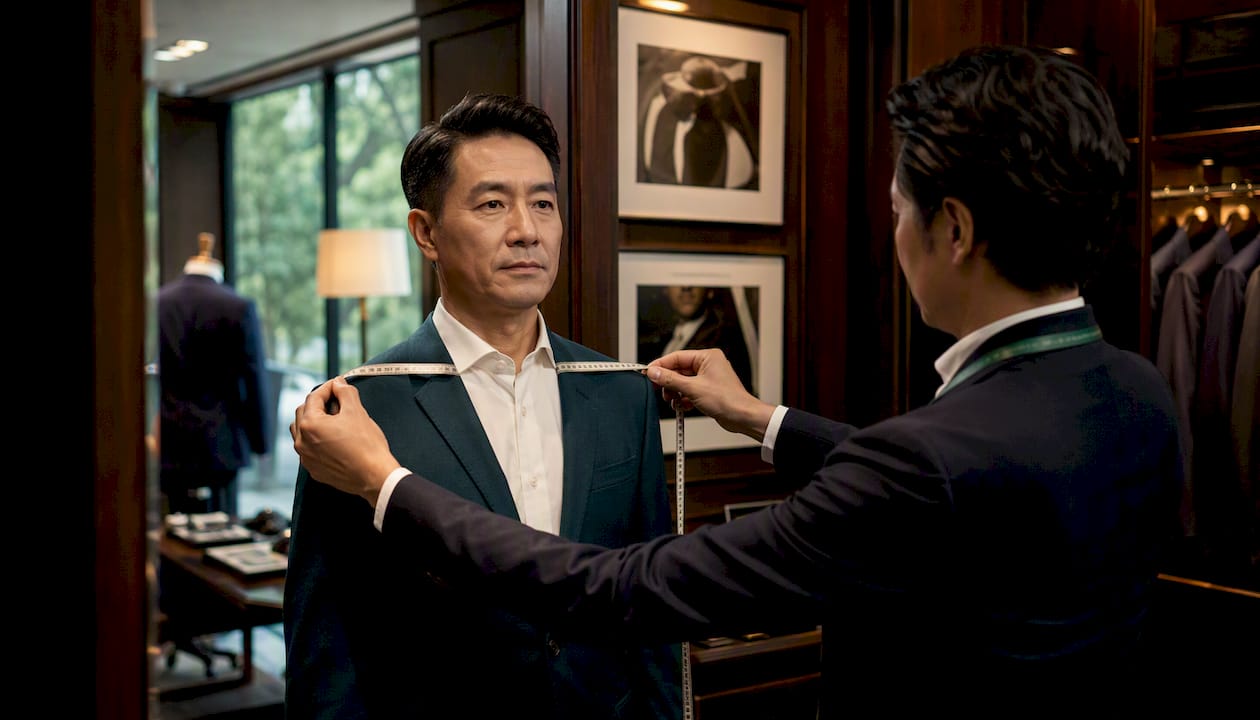
Preparation makes the appointment more productive. Bring the shirt clean and pressed, mark the area of concern with a safety pin, and be ready to demonstrate the movement that causes the problem. A photo of any existing seam failure is useful.
Common technical pitfalls that experienced tailors watch for include sewing the gusset too tight (leaving insufficient ease), mismatched seam allowances between the gusset piece and the shirt body, and catching a corner point in an adjacent seam during finishing. Each of these errors requires reopening at least one seam to correct.
A DIY repair is reasonable if you are comfortable with a seam ripper, can sew a straight line at a consistent seam allowance, and have access to a matching fabric. The diamond underarm gusset is classified as an intermediate-to-advanced alteration because the four-corner pivoting demands accuracy. A side hem gusset is more forgiving and a sensible starting point for a confident home sewist.
Turnaround time at a tailor depends on whether a fabric match is needed and whether the work is done by hand or machine. Hand-finished seams add time and cost but produce a cleaner result on fine shirting.
Why Ron & Rich includes gussets in bespoke shirts
At Ron & Rich, a gusset is not a repair, it is a construction decision made at the pattern stage. For clients who wear fitted shirts through long working days in Singapore’s climate, or who need full arm mobility in a tailored silhouette, we build the gusset in from the start. It is one of the details that separates a shirt made for your body from one made for a size range.
The resurgence of dolman and kimono sleeve styles in contemporary menswear has renewed interest in gusset construction as a structural technique, as seen in Modern Day Knight’s shirt collections. Threads magazine notes this shift, observing that master tailors now treat gussets as a design consideration rather than a legacy repair method. For Singapore clients who favor lightweight fabrics and relaxed silhouettes in the heat, a well-placed gusset preserves the clean line of a fitted shirt while allowing the body to move freely. Our made-to-measure tailored shirts are designed with exactly this balance in mind.
When I recommend a gusset
The clients who benefit most from a gusset are those who want a fitted silhouette without sacrificing comfort. A slim-cut dress shirt that fits well at the chest but pulls across the back when you reach forward is a strong candidate for a diamond underarm insert. A short-sleeve casual shirt with a curved hem, worn untucked, often benefits from a small side gusset that keeps the hem junction from fraying after a year of wear.
For dolman-sleeve shirts, the gusset is not optional. The sleeve cut removes the underarm curve that a set-in sleeve provides, and without a gusset the shirt binds immediately when the arm is raised. The construction detail is what makes the style wearable.
Get a gusset professionally added in Singapore
Ron & Rich offers bespoke shirt tailoring in Singapore with gusset insertion available as part of the construction process, when you are commissioning a new shirt. Every detail, from fabric selection to seam finishing, is handled by our atelier team.

Pricing reflects the fabric sourcing and the degree of handwork involved. To discuss your shirt, the fit issue you want to address, and the right gusset type for your needs, book a fitting consultation with our team. We will assess the garment, recommend the appropriate construction, and give you a clear timeline before any work begins.
Sources
The sources below cover tutorials, technical construction, and design guidance for readers who want to go deeper.
- How to sew gussets
- A Shirt Gusset Tutorial | Blog | Oliver + S
- How To Put Gussets in Pants or Shirts – The Sewing Garden
- How To Add A Diamond Underarm Gusset (Shirt or Dress)
- How To Add A Gusset To A Shirt - The Chic Tribe