Article: Singapore Ready Evening Wedding Attire for Men: Plug and Play Formulas
Singapore Ready Evening Wedding Attire for Men: Plug and Play Formulas
The invitation sets the rule, and everything else is detail. For Black Tie, wear a proper tuxedo; for cocktail or “formal” evening weddings, a dark, well‑fitted suit does the job. Get the jacket right, choose a white or pale shirt, wear polished black shoes, and the rest of the outfit falls into place. Evening wear tailoring based on this principle has been established by specialist tailors for decades.
TL;DR:
- Black tie typically requires a tuxedo with a silk lapel, white formal shirt, and black shoes, with midnight blue optional for a richer look.
- Black tie optional permits a dark suit, preferably navy or charcoal, paired with a white shirt and conservative tie, making tuxedo choice optional.
- For cocktail attire, a deep grey or navy suit with a patterned silk tie and leather shoes is appropriate, with room for personal accessories like pocket squares.
- Fit and fabric are more critical than brand or accessories, with breathable wool blends and proper tailoring essential for comfort and sharpness.
- Keep accessories restrained, with one expressive item like a textured tie or pocket square, and focus on grooming and subtle coordination with your partner’s outfit or theme.
Table of Contents
- What to wear for each evening wedding dress code
- Ready-to-copy outfit formulas for every code
- Fit, fabric and climate for evening wear
- Shoes, accessories and the details that finish the look
- When bespoke tailoring makes the real difference
- Grooming that finishes the evening look properly
- Coordinating with your partner or the wedding’s theme
- Colours and patterns that actually suit an evening wedding
- A tailor’s take on dressing well without overreaching
- Get the fit right before the fitting matters
- Sources
- FAQ
What to wear for each evening wedding dress code
Evening invitations rarely spell out exactly what they mean, and that ambiguity causes more wardrobe panic than any other part of wedding planning. Four terms cover almost every card you will receive, and each has a defined outfit behind it.
Black tie means a tuxedo: a jacket with a silk or satin‑faced lapel, worn with a white dress shirt, black bow tie, and black patent or highly polished leather shoes. A midnight‑blue tuxedo is a recognised modern alternative to classic black, and under evening lighting it can look richer than true black without breaking the code’s formal components. What it is not is a dark business suit with a bow tie stuck on top. Skip the tuxedo and you are attending a different dress code than the one printed on the invitation.
Black tie optional (sometimes “formal”) gives you a genuine choice. A tuxedo is always correct, but a dark suit, ideally charcoal or navy, worn with a crisp white shirt and a conservative tie, satisfies the code too. Our black tie optional guide breaks down exactly when each direction suits the venue better.
Cocktail attire, sometimes called semi‑formal, sits a notch below both. It is more polished than smart casual but less strict than black tie: a dark suit in navy, charcoal, or deep grey, a quality shirt, and elegant leather shoes. There is more room here for personality in tie colour and pocket square, and our cocktail attire guide covers the full range of acceptable combinations.
Smart casual is the one code guests most often underdress for at an evening event. It still calls for a jacket, in most cases, paired with tailored trousers and a collared shirt. Leave trainers and untucked polo shirts for the daytime version of this code, covered separately in our daytime wedding attire guide.
Season and venue nudge these rules slightly. An outdoor summer ceremony allows lighter fabrics and, occasionally, lighter colours, while a winter evening reception favours darker hues and heavier cloth. When the invitation is ambiguous, lean formal. It is far easier to remove a jacket at the reception than to arrive underdressed.
Ready-to-copy outfit formulas for every code
Use these as starting formulas, then adjust for the specific venue.
- Black tie: black or midnight‑blue tuxedo, white formal shirt, black silk bow tie, black patent Oxfords. Substitution: a self‑tie satin bow tie in place of pre‑tied for a sharper finish.
- Black tie optional: charcoal or navy suit, white shirt, dark silk tie, black Oxfords. Add a subtly textured tie for a single expressive detail.
- Cocktail: navy or deep grey suit, pale blue or white shirt, patterned silk tie, dark brown or black leather shoes. A muted pocket square lifts the look without shouting.
- Smart casual evening: grey or navy blazer, tailored trousers, open‑collar shirt or fine knit, leather loafers or clean Derbys.
Before you leave the house, run a final check: fit through the shoulder and waist, shoes cleaned and heeled, shirt collar sitting flat, accessories kept to one or two pieces, and any loose buttons or hems repaired.
Fit, fabric and climate for evening wear
Fit dictates formality more than any accessory ever will. Shoulders that sit flat without pulling, sleeves that break at the wrist, and trousers with a clean line to the shoe: get these three right and a modest suit outperforms an expensive one that fits poorly.
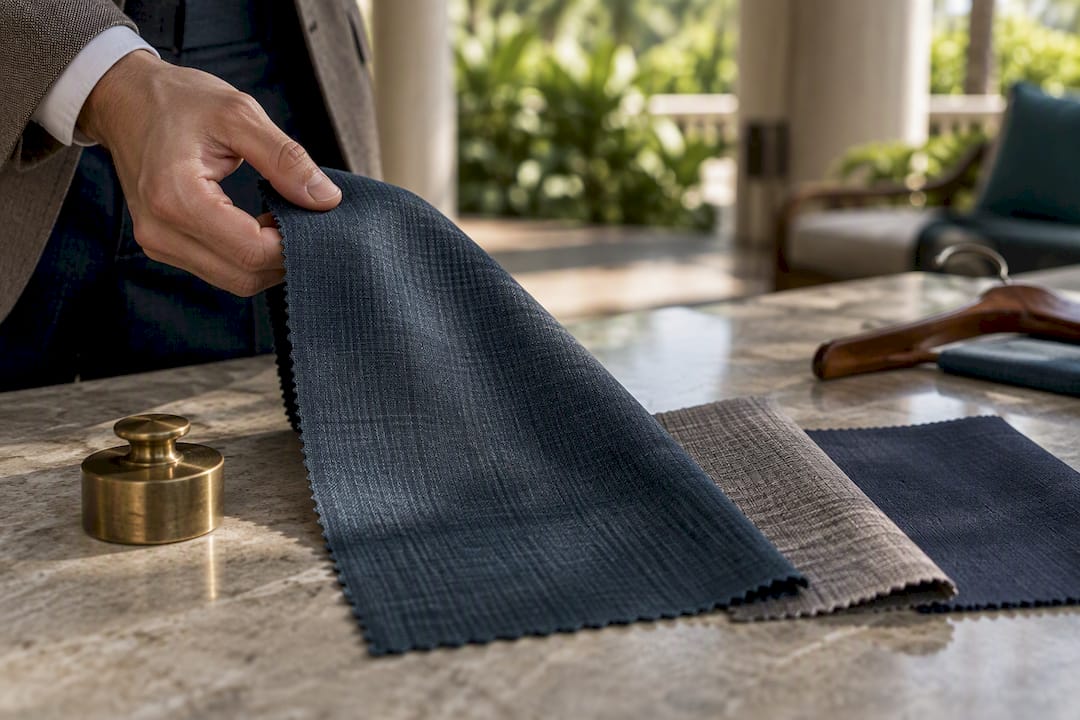
Fabric matters just as much when the room is warm and the evening is long. Tropical‑weight wools, wool‑silk blends, and lightweight worsteds hold their shape and breathe, which is exactly what a warm‑climate evening event demands. Heavy worsteds and shiny synthetics look stiff under evening lighting and turn uncomfortable within the hour. Partial linings and functioning vents keep air moving during a standing reception, which is where most men actually feel the heat, not on the walk in.
Shoes, accessories and the details that finish the look
Shoes settle formality faster than anything else in the outfit. Patent Oxfords belong with black tie; plain Oxfords, Derbys, or monk straps suit a dark cocktail or black tie optional suit; loafers work only for the most relaxed cocktail settings, never for black tie.
- Bow tie for black tie, a conservative silk tie for everything else.
- One pocket square or one interesting tie, not both fighting for attention.
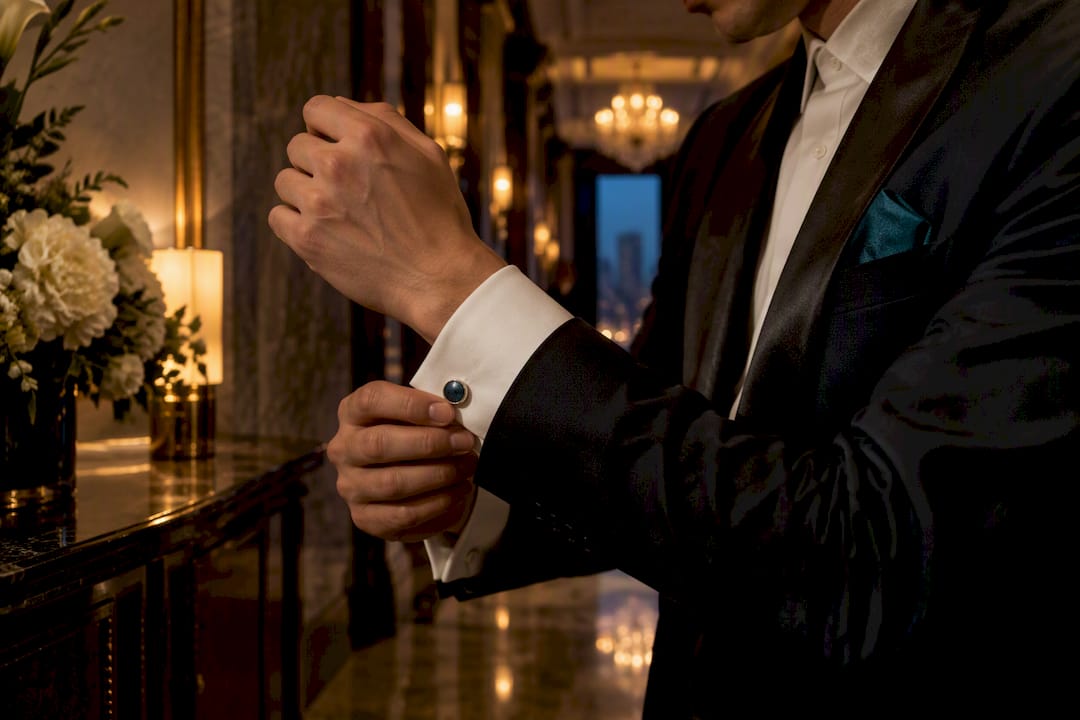
- Cufflinks over a wristwatch peeking from the cuff; braces read more formal than a belt with a tuxedo.
- Never brown shoes with black tie, never scuffed leather with any of these codes.
Pro Tip: Keep expressive detail to a single item, a textured tie or a coloured pocket square, and let the tailoring carry the rest of the outfit.
A Sayhey Gifting box of ties and shoe care essentials makes a practical starting point if your evening wardrobe needs restocking before the season begins.
When bespoke tailoring makes the real difference
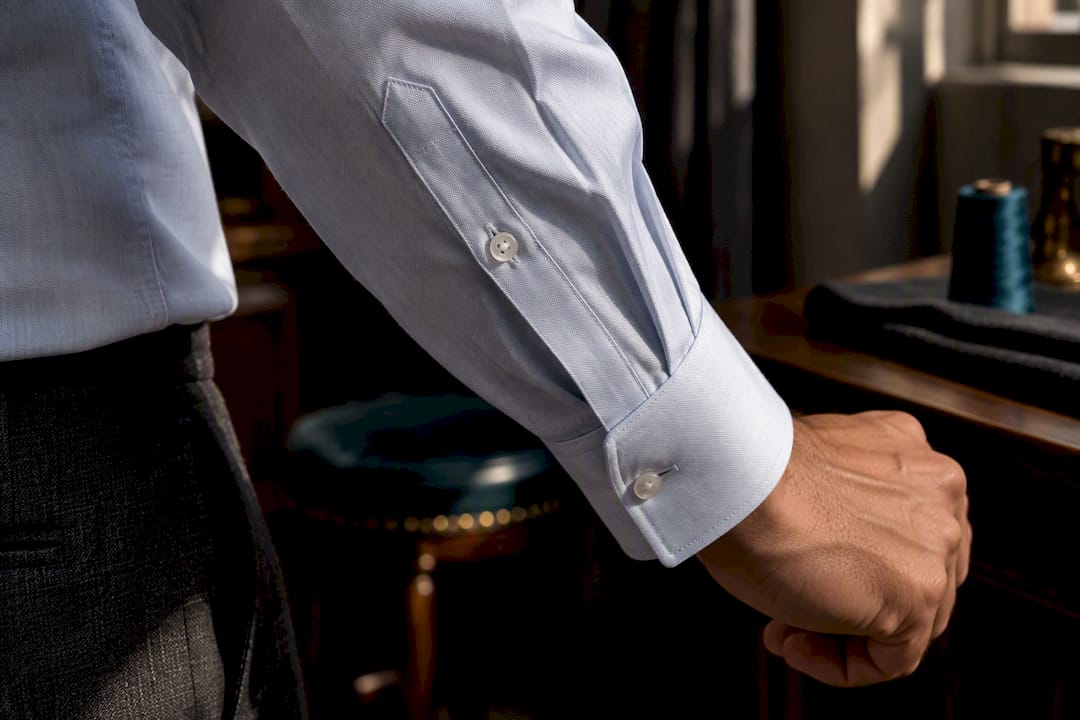
Not every garment needs the bespoke treatment, but some adjustments change an outfit from acceptable to genuinely sharp. Jacket shoulders come first, since they are the hardest area to correct after the fact and the one flaw the eye catches immediately. Sleeve length follows, ideally showing a quarter to half an inch of shirt cuff, then trouser waist and break, then shirt collar, which decides how a tie sits all evening.
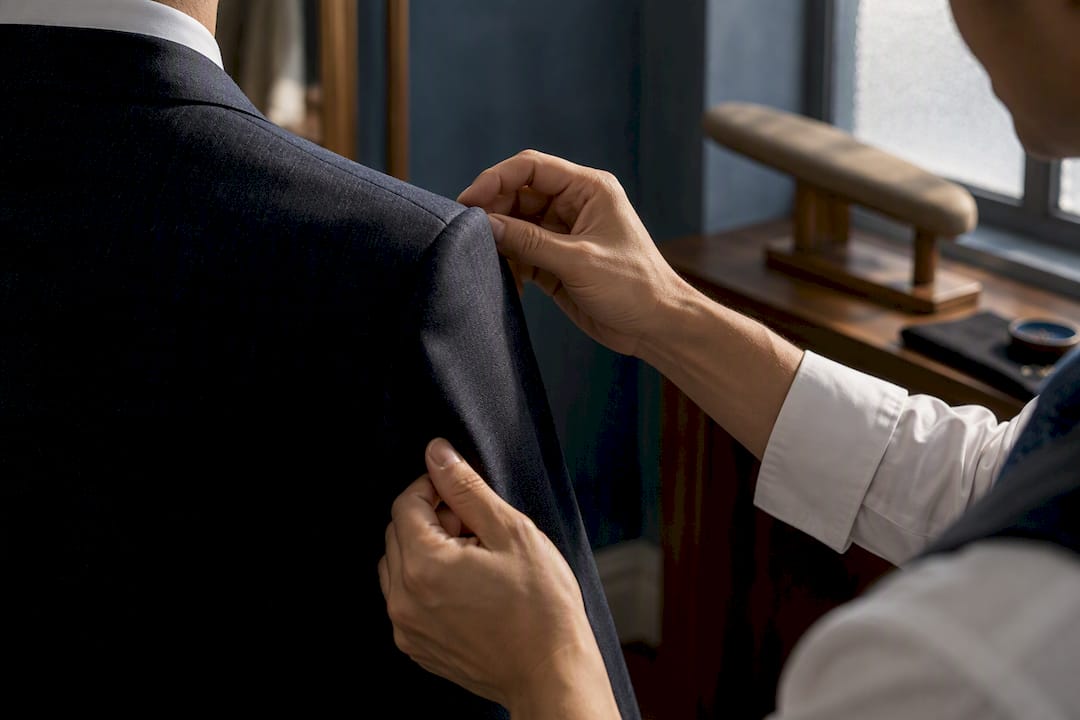
Off‑the‑rack alterations solve most of this for a single event. Bespoke earns its place when you attend several formal occasions a year, when your proportions sit outside standard sizing, or when you simply want a tuxedo that performs the same in ten years as it does today. A dark business suit finished with a bow tie still reads as a suit, not a tuxedo, and no amount of alteration changes that; the lapel finish and construction have to be right from the start.
A realistic timeline runs two to three fittings across several weeks for a full bespoke commission, less for adjustments to an existing garment. Bring the shoes you intend to wear, since heel height changes trouser length, and mention the venue and season so cloth weight gets chosen correctly the first time.
Grooming that finishes the evening look properly
A well‑cut suit loses impact fast against unkempt grooming, and evening lighting is unforgiving on detail that daylight forgives. Get a haircut a week before the wedding rather than the day before; hair needs a few days to settle into its natural shape and lose that just‑cut stiffness.
Facial hair should be trimmed and clean‑edged, whether you are clean‑shaven or keeping a beard. A patchy or overgrown beard undermines a sharp tuxedo more than almost anything else in the outfit. If you shave on the day, do it early enough for any redness to settle, and moisturise afterwards since dry, flaky skin catches evening light badly.
Skincare in the days leading up matters more than anything applied on the morning itself. A short routine of cleansing and moisturising over the preceding week keeps skin even under photography and venue lighting, which tends to be warmer and less forgiving than daylight. Nails trimmed and clean, a light matte finish rather than shine, and a subtle, not overpowering, fragrance round out the picture. None of this needs to be elaborate. It needs to look deliberate, which is the same standard the rest of the outfit is held to.
Coordinating with your partner or the wedding’s theme
Coordination works best as a shared colour palette rather than matching outfits. If your partner is wearing deep emerald or burgundy, echo it in a tie or pocket square rather than trying to match the exact shade in a full suit; matching too literally reads as costume rather than considered style.
Ask about the wedding’s colour scheme in advance if you are part of the wedding party or simply want to look aligned with your date. Most couples share this detail happily, and it saves the awkwardness of clashing with the reception’s decor or the couple’s own colours. As a guest, this is where restraint pays off: the goal is elegant, not conspicuous, because outshining the couple, deliberately or not, is the one wardrobe mistake etiquette never forgives.
For couples dressing together, a shared metallic accent, gold cufflinks against a champagne dress, for instance, does more work than an identical colour block. Keep it to one echoed element. Two coordinated people in restrained, complementary tones look considerably sharper than two people in the same exact hue standing side by side.
Colours and patterns that actually suit an evening wedding
Black, midnight blue, and charcoal remain the safest choices for black tie and black tie optional, and for good reason: they photograph well under artificial light and never compete with the couple’s palette. For cocktail attire, navy and deep grey give you the most flexibility, pairing comfortably with patterned ties without looking busy.
Pattern belongs in the tie or pocket square, not the suit, for evening events. A fine check or subtle herringbone in the jacket cloth reads as texture rather than pattern and stays appropriate; anything bolder starts to compete with the room. Season shifts the palette slightly: summer evening weddings can carry lighter greys and even soft blues, while winter events favour deeper, richer tones that suit heavier cloth. When genuinely unsure which way to lean, choose the darker option. It has never once made a man look underdressed.
A tailor’s take on dressing well without overreaching
Err slightly more formal than the invitation strictly demands, then add exactly one detail that is unmistakably yours, a tie, a pocket square, nothing louder. Guests remember the man who looked effortlessly put together, not the one who tried hardest. That restraint is the whole craft, and it is a principle that bespoke tailoring houses often build their craft around.
— Ron
Get the fit right before the fitting matters
Most evening wedding outfits fail on fit, not on style choices, and no amount of accessorising fixes a jacket that pulls at the shoulder or trousers that puddle at the ankle. A bespoke tailor builds each tuxedo and suit around your own measurements, addressing fit problems that off‑the‑rack sizing cannot solve, using cloth chosen for comfort through a long evening reception.
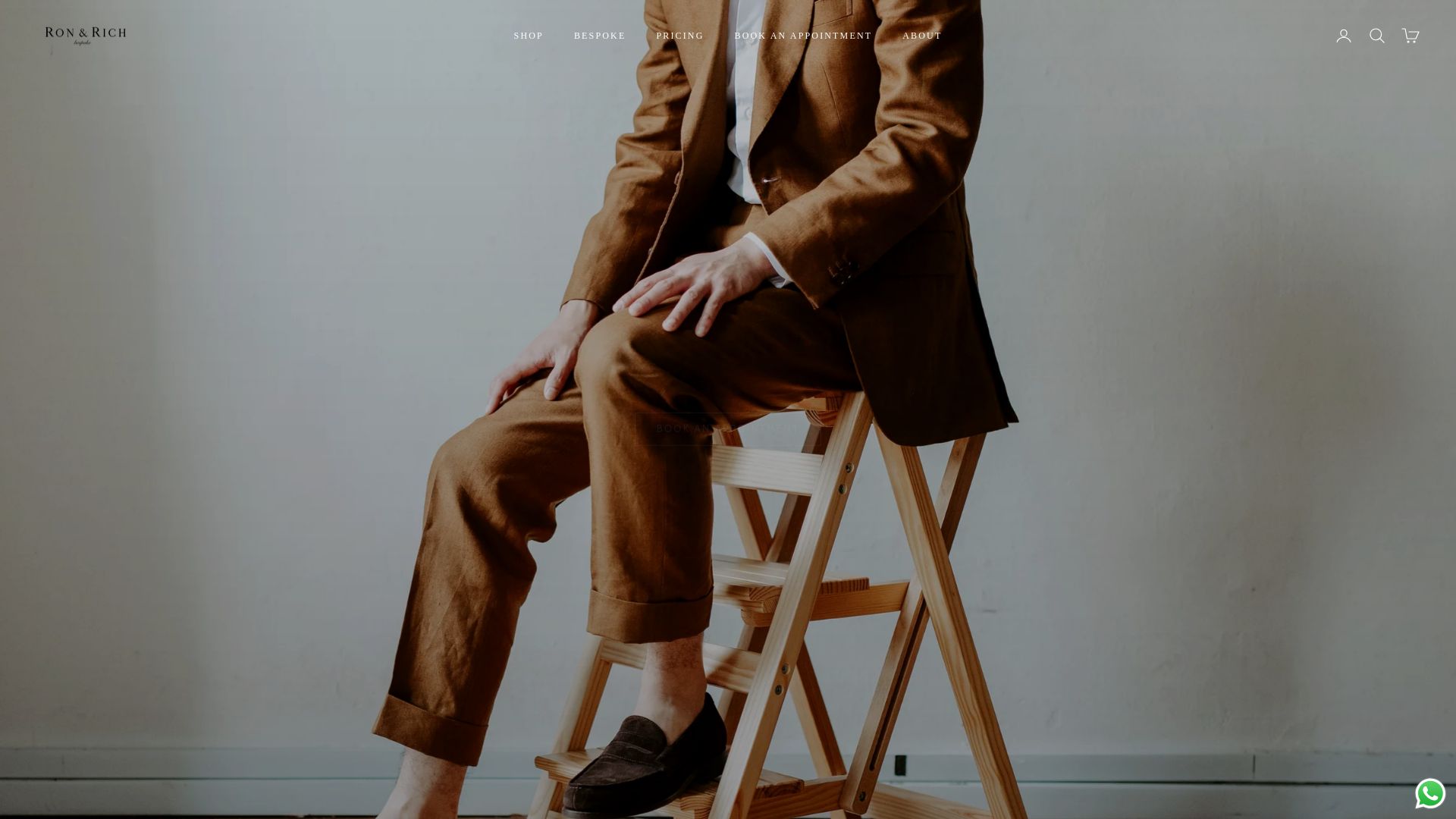
If black tie is on the card, our tuxedos start from $2,270, built with the silk‑faced lapel and construction a true tuxedo requires. For cocktail or black tie optional, suits start at prices listed by the publisher, and a made-to-measure shirt from $199 finishes the collar fit that makes or breaks how a tie sits. Book a fitting, bring the shoes you plan to wear, and leave with an outfit built to last well beyond one wedding season.
Sources
The dress‑code definitions above draw on the Greenvelope dress code guide for formal wear standards, WomanGettingMarried’s etiquette guide for cocktail attire and seasonal advice, GQ Germany for guest etiquette, and Abbey Rose Weddings for the fit‑first hierarchy applied throughout.
- A comprehensive dress code guide for 2026 (Greenvelope)
- Wedding etiquette rules every guest should know (WomanGettingMarried)
- Was zieht man als Gast zur Hochzeit an? (GQ Germany)
FAQ
What do guys wear to an evening wedding?
It depends entirely on the stated dress code. Black tie calls for a tuxedo with a bow tie, while cocktail or “formal” invitations call for a dark, well‑fitted suit with a crisp shirt and polished shoes.
What is evening attire for a wedding?
Evening attire generally means a more formal register than daytime weddings, favouring darker colours, tuxedos or dark suits, and polished leather shoes over the lighter fabrics acceptable earlier in the day. The exact requirement always comes from the specific code named on the invitation, whether that is black tie, black tie optional, or cocktail.
What should a guest wear to an evening wedding?
A guest should match whatever code the couple specified, defaulting to a darker, more formal choice if the invitation is vague. The safest combination across most evening weddings is a well‑fitted dark suit, white or pale shirt, and clean black or dark brown leather shoes.
What do Singaporeans wear to weddings?
Evening wedding attire in Singapore follows the same dress codes used internationally, black tie, cocktail, and smart casual, though guests often choose lighter tropical‑weight wools or wool blends suited to the climate. Ron & Rich cuts its suits and tuxedos with exactly this balance of formality and breathability in mind.
Is a tuxedo required for a black tie optional wedding?
No. Black tie optional allows either a tuxedo or a dark suit, such as navy or charcoal, worn with a white shirt and conservative tie. A tuxedo remains the more formal choice where either option is acceptable.