Camp Collar Shirts for Men: Style, Fit & Buying Guide
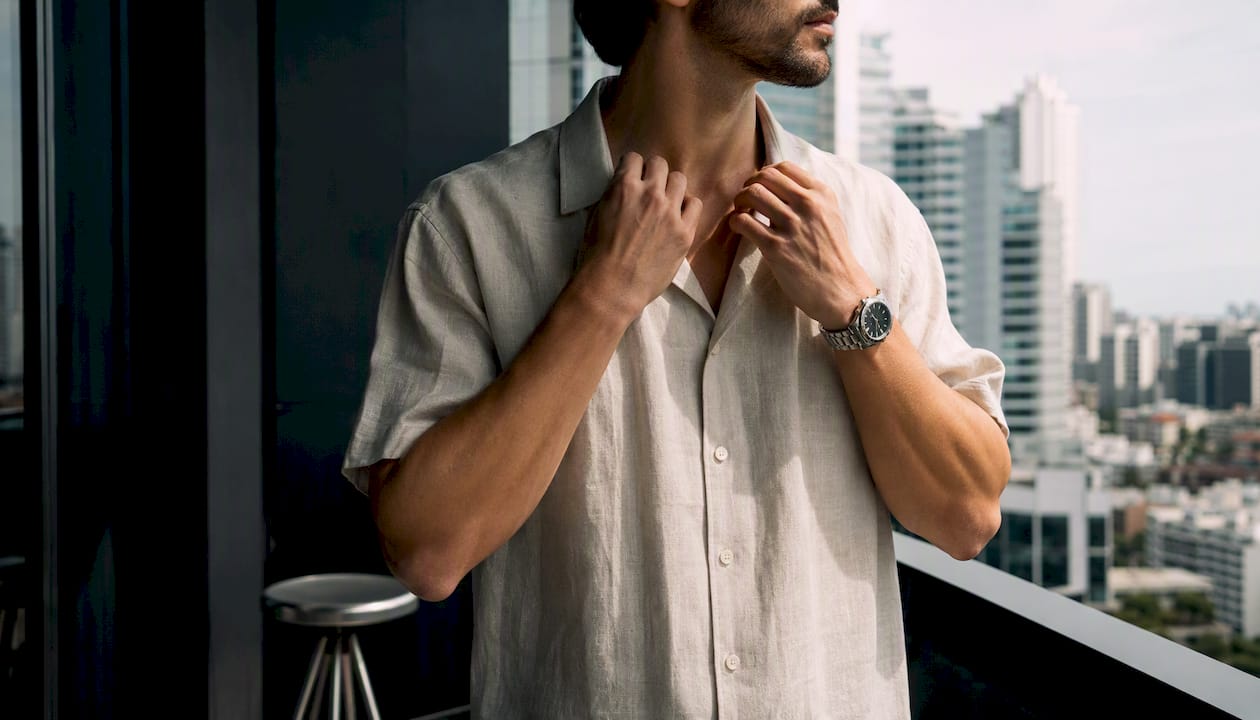
A camp collar shirt is defined by its one-piece, bandless collar that lies flat against the chest and can be worn open or closed at the neck, no tie, no collar band, no stiffness. For the best untucked look, choose a lightweight linen or rayon in a slightly shorter hem that falls just below the hip bone.
Key Takeaways
A camp collar shirt’s flat, bandless construction makes it the most versatile open collar shirt for warm-weather and resort-casual wear. The fit at the hem and shoulder determines whether it looks polished or simply relaxed.
| Point | Details |
|---|---|
| Collar construction | One-piece, bandless collar lies flat on the chest; no tie needed and no collar band. |
| Best fabrics | Linen, rayon, and lightweight cotton give the right drape; aim for a lightweight fabric suitable for summer wear. |
| Fit priority | Hem should fall 1–2 inches below the waistband; shoulder seam must sit at the shoulder edge. |
| Styling range | Works untucked for casual and resort wear; pairs with an unstructured blazer for smart-casual. |
| Bespoke option | Ronandrich offers custom-tailored camp collar shirts with collar interfacing, hem, and fabric matched to your exact measurements. |
Table of Contents
- What exactly is a camp collar shirt?
- How do camp, Cuban, and regular collars differ?
- Which fabrics work best for camp collar shirts?
- How should a camp collar shirt fit for the untucked look?
- How to wear a camp collar shirt: outfit ideas for every occasion
- What to look for when buying a camp collar shirt
- How to care for camp collar shirts so they last
- When does bespoke make sense for a camp collar shirt?
- A tailor’s perspective on collar shaping and fit
- Ronandrich’s bespoke camp collar shirts, made to your exact measure
- Sources
What exactly is a camp collar shirt?
The defining feature is structural. Unlike a dress shirt, which attaches its collar to a separate stand or band sewn around the neckline, a camp collar is cut as a single piece of fabric that folds directly onto the body of the shirt. There is no collar band. The result is a collar that lies flat, spreads wide, and frames the open neckline without any scaffolding beneath it.
Visually, you will recognize it by the way the collar points rest on the chest rather than standing upright, and by the straight or slightly curved hem that invites untucked wear. The placket is typically a simple, clean-finished strip rather than the reinforced French or barrel placket common on dress shirts.
The style’s origins trace to mid-20th century American and Caribbean resort culture. It became associated with Cuban and Hawaiian aesthetics in the 1940s and 1950s, which is why the terms “Cuban collar” and “camp collar” are often used interchangeably. The Wikidata entry for the camp shirt confirms “Cuban collar” as a recognized alternate name. Historical fashion literature, including records held in JSTOR’s archive, documents the style’s presence in resort and leisure wear from that era onward.
How do camp, Cuban, and regular collars differ?
The confusion between collar types is understandable. Several share a relaxed, open-neck look. The differences come down to construction and intended function.
The key distinctions at a glance:
- Camp collar: One-piece, bandless, lies flat on the chest. Worn open or closed. Associated with resort and casual wear.
- Cuban collar: Functionally identical to a camp collar; the term is used interchangeably, though “Cuban collar” sometimes implies a slightly wider spread and a more pronounced revere-style fold.
- Spread/point collar (dress shirt): Attached to a separate collar band. Stands upright. Designed to hold a tie knot or present a clean open neck on a dress shirt.
- Button-down collar: Has small buttons anchoring the collar points to the shirt body. Structured, slightly sporty, not flat-lying.
| Collar type | Construction | Typical use | Common fabrics |
|---|---|---|---|
| Camp / Cuban | One-piece, no band, flat-lying | Resort, casual, smart-casual | Linen, rayon, cotton |
| Spread / point | Separate collar band, upright stand | Business, formal | Cotton poplin, broadcloth |
| Button-down | Collar band with button anchors | Smart-casual, preppy | Oxford cloth, chambray |
| Mandarin / band | Short stand, no fold | Casual, contemporary | Cotton, linen blends |
The practical takeaway: if you want an open collar shirt that looks intentional without a tie rather than simply undone, the camp collar’s flat construction does that work for you. A spread collar without a tie can look like something is missing; a camp collar looks complete on its own.
Which fabrics work best for camp collar shirts?
Fabric choice determines whether a camp collar shirt drapes beautifully or collapses into a shapeless mass by noon. The collar’s flat, unsupported construction means the fabric itself carries the silhouette.
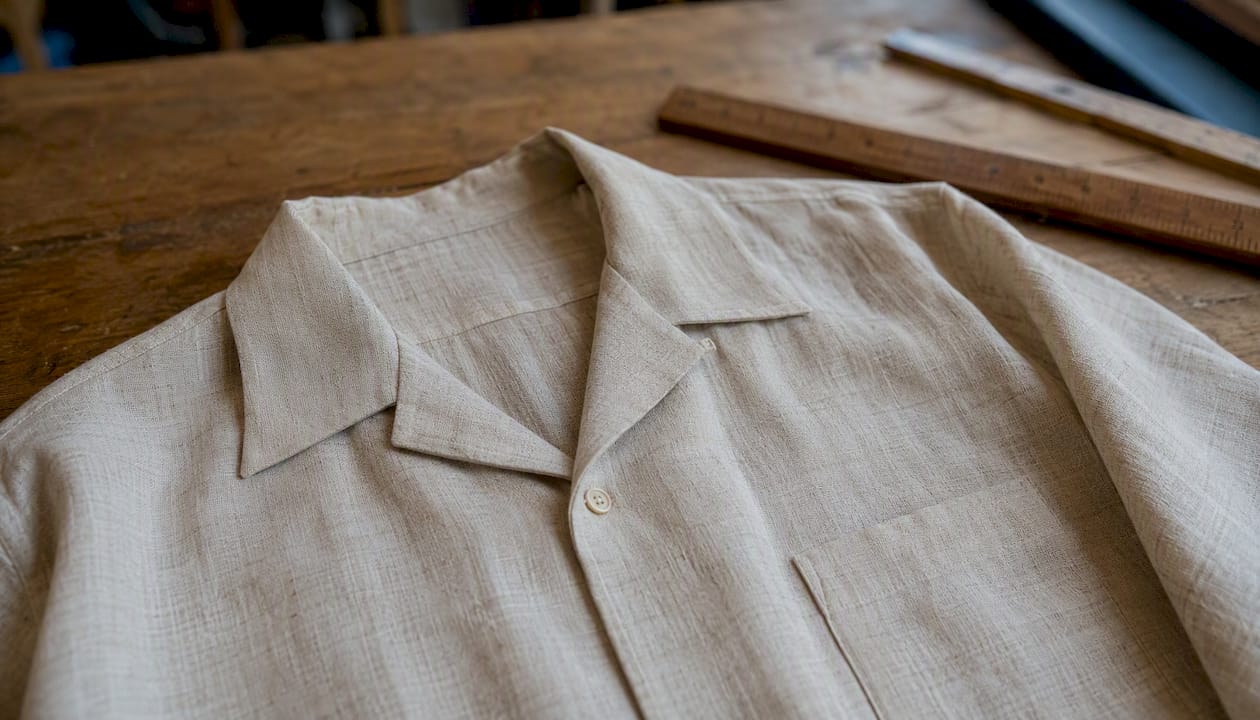
Linen is the gold standard for warm-weather wear. Its open weave breathes exceptionally well, and its natural body gives the collar enough structure to hold its spread without interfacing. The trade-off is wrinkling, linen creases readily, which some men find adds to its relaxed character. Ron & Rich’s Weekend Linen Shirt illustrates how a well-cut linen camp shirt holds its shape through a full day of wear.
Rayon and viscose offer a softer, more fluid drape than linen. They resist wrinkling better and feel cooler against the skin in humid heat. The downside is that they require more careful washing. High heat causes shrinkage and can distort the collar’s cut.
Cotton in a lightweight weave (poplin, voile, or a fine twill) sits between linen and rayon in terms of structure. It washes easily and holds its shape well, though heavier cotton weights can feel stiff and defeat the shirt’s relaxed purpose.
Chambray deserves a mention for its versatility. It is a plain-weave cotton with a slightly textured surface that reads casual without looking too casual, useful when you want the camp collar silhouette in a slightly more dressed-down register.
On fabric weight: aim for a lightweight fabric suitable for summer wear for the untucked look. Heavier fabrics pull the collar down and add bulk at the hip; lighter weights let the shirt skim the body cleanly. Placket construction matters here too as a French placket creates a cleaner front line than a standard placket and suits the camp collar’s minimal aesthetic well.
How should a camp collar shirt fit for the untucked look?
Fit is where most ready-to-wear camp shirts fall short. The style is designed to be worn untucked, which means the proportions are different from a standard dress shirt and getting them right is the difference between looking polished and looking like you borrowed someone else’s shirt.
Fit checklist:
- Hem length: The hem should fall 1–2 inches below the waistband of your trousers or shorts. Any longer and the shirt reads sloppy; shorter and it risks riding up.
- Shoulder seam: Should sit at the edge of your shoulder, not drooping onto the upper arm. This is the single most important fit point, a dropped shoulder seam cannot be fixed without significant rework.
- Chest ease: You want 3–4 inches of ease at the chest for a relaxed fit. The shirt should move freely without pulling across the back when you reach forward.
- Sleeve length: For short sleeves, the hem should fall at the mid-bicep or just above. For long sleeves, the cuff should reach the wrist bone with a slight break.
- Side seam: Should follow the body without flaring outward at the hip. Excess fabric at the side seam is the most common issue with mass-market camp shirts.
For different builds: Slimmer frames benefit from a slightly tapered side seam and a shorter hem to avoid the shirt swamping the silhouette. Broader builds should prioritize chest ease and avoid shirts with a strong taper that pulls across the back. Average builds have the most flexibility, but still benefit from checking hem length first.
Pro Tip: Tailors at Ron & Rich often shorten the hem by 1–1.5 inches and reduce the side-seam flare on ready-to-wear camp shirts. These two alterations alone transform the fit without touching the collar or sleeves.
When shopping online, request a flat-lay photo of the shirt alongside the brand’s size chart, and look for a model whose height and weight are listed. A shirt that fits a 6’0" model at a medium will fit very differently on a 5’9" frame at the same size.
How to wear a camp collar shirt: outfit ideas for every occasion
The camp collar’s promise is a relaxed silhouette that still looks considered. It works across a wider range of occasions than most men expect.
Everyday casual: Pair a linen camp shirt in a neutral (white, sand, or sage) with slim chinos or tailored shorts and clean leather sandals or white sneakers. Leave the top button open and the shirt untucked. The collar frames the neckline without any jewelry or layering needed.
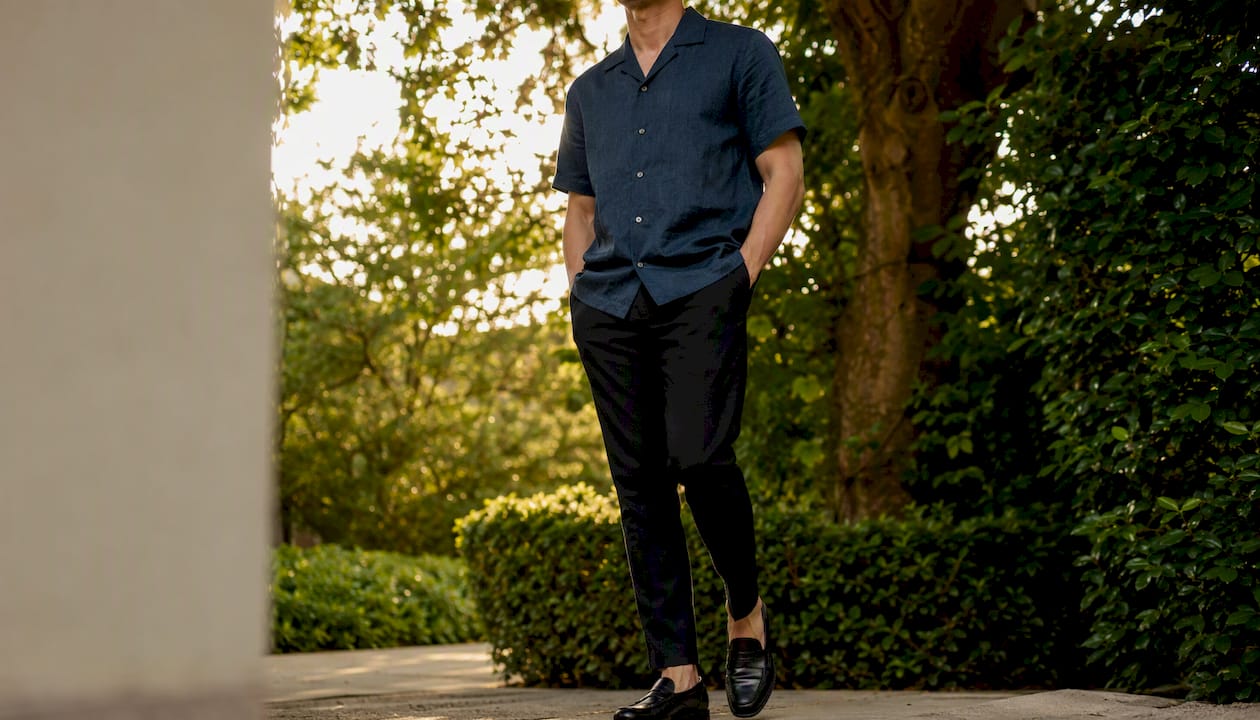
Weekend smart-casual: A cotton or chambray camp shirt in a deeper tone (navy, olive, or terracotta) works well with dark slim trousers and loafers. Tuck it in loosely at the front only, a half-tuck adds intention without formality. This is the outfit that reads as smart-casual without effort.
Resort and vacation wear: This is the camp collar’s native territory. A printed rayon or linen shirt worn open over a plain white tee, with linen trousers or swim shorts, is the definitive resort look. The open collar reads as deliberate rather than undone. Footwear: espadrilles, leather slides, or woven loafers.
Smart-casual with a blazer: The camp collar is one of the few open collar shirts that pairs well with an unstructured blazer or a tailored jacket. According to guidance from The Art of Manliness, undoing one or two buttons and choosing a collar that holds its shape are the keys to making a tieless look work. The camp collar does both by design. As The Tie Bar notes, a suit or blazer without a tie reads as smart-casual when the collar choice is deliberate and the camp collar’s flat, structured spread is exactly that kind of deliberate choice.
Dos and don’ts:
- Do wear the shirt untucked with shorts or casual trousers.
- Do let the collar lie flat, resist the urge to pop it.
- Don’t pair a busy print with a structured blazer; keep one element simple.
- Don’t wear a camp shirt tucked into formal trousers, the straight hem and relaxed construction will fight the formality.
What to look for when buying a camp collar shirt
A short checklist prevents the most common mistakes, whether you are shopping in-store or online.
- Fabric first. Check the composition label. Linen, rayon, or a linen-cotton blend signals the right drape for warm weather. Avoid heavy cotton twills or synthetic blends that trap heat.
- Collar finish. The collar should lie flat without curling at the tips. Press the collar points down gently in-store, if they spring back upward, the interfacing is too stiff for the style.
- Hem length. Hold the shirt against your body. The hem should fall at or just below the hip bone. If it reaches mid-thigh, it is cut for tucking and will look oversized untucked.
- Seam quality. Turn the shirt inside out and check the side seams and collar seam. Flat-felled seams or clean-finished seams indicate better construction and longer wear.
- Button material. Corozo (tagua nut) or mother-of-pearl buttons signal quality and hold up better through washing than cheap plastic. They also add a subtle refinement that suits the camp collar aesthetic.
- Placket style. A clean, minimal placket suits the camp collar’s character. A French placket (no visible button strip) is the most refined option; a standard placket works well too.
On price: a camp shirt priced above S$150 in a quality linen or rayon typically reflects better fabric sourcing and cleaner collar finishing. Below that, construction shortcuts often show up first in the collar, the tips curl, the seam puckers, or the interfacing is too heavy for the fabric weight.
How to care for camp collar shirts so they last
The collar is the first thing to show wear, and the first thing to lose its shape with poor care. Fabric-specific handling makes a significant difference.
Linen: Machine wash on a gentle cycle in cool water. Remove promptly and reshape the collar by hand while the fabric is still damp. Lay flat or hang to dry, tumble drying causes shrinkage and sets creases permanently. Iron while slightly damp on a medium-high setting for a crisp finish, or leave it with natural creases for a relaxed look.
Rayon and viscose: Hand wash or use a delicate machine cycle with cold water. Never wring. Lay flat to dry or hang on a padded hanger. Wire hangers distort the shoulder and collar seam. Low heat or steam only if ironing.
Cotton: Machine wash in warm water. Iron on medium heat while damp for the cleanest collar finish.
General care checklist:
- Store on a wide, contoured hanger to preserve the collar’s spread and shoulder shape.
- Steam rather than iron when possible, steam relaxes the collar without flattening the fabric’s natural texture.
- For collar collapse (tips that curl or droop), a light spray of spray starch on the underside of the collar before ironing restores body without stiffness.
- For significant collar distortion or a seam that has pulled, professional pressing or a tailor’s collar repair is worth the cost, it is far less expensive than replacing the shirt.
WikiHow’s guidance on open-collar care reinforces the value of choosing collars with natural body and maintaining them with light pressing rather than heavy starch.
When does bespoke make sense for a camp collar shirt?
Bespoke is worth considering when the fit problem is structural, when no ready-to-wear size addresses your shoulder width, torso length, or arm proportions simultaneously. It is also the right choice when you want a specific fabric, a particular collar spread, or a hem length calibrated to your exact height.
Ron & Rich’s m-t-m shirting process follows a clear sequence: an initial consultation to discuss fabric, collar style, and intended use; a full measurement session; fabric selection from the house’s sourced range; one or two fittings as the shirt takes shape; and final delivery with any last adjustments made. The timeline typically runs four to six weeks from consultation to delivery.
What m-t-m gives you that ready-to-wear cannot:
- Collar spread and interfacing weight calibrated to your neck width and how you wear the shirt (open, with a blazer, or both).
- Hem length set to your exact torso, so the untucked silhouette is proportional rather than approximate.
- Fabric sourced to your climate and preference; a heavier linen for structure, a fine rayon for drape, or a linen-cotton blend for durability.
- Sleeve length and cuff width matched to your arm, not a size chart average.
- Ongoing repair and alteration service, so the shirt remains in its original condition over years of wear.
For men who have struggled to find a camp collar shirt that fits across the shoulders without excess fabric at the waist, or who want a specific print or fabric weight not available off the shelf, the custom tailored shirt route removes all of those compromises at once.
A tailor’s perspective on collar shaping and fit
Collar shaping is the detail that separates a shirt that looks considered from one that simply looks casual. The camp collar, because it has no band to hold it upright, relies entirely on the cut of the collar piece, the weight of the interfacing, and the precision of the seam where the collar meets the body. When any one of those three elements is off, the collar either collapses inward or stands away from the chest in a way that looks unintentional.
The most common issue we see with ready-to-wear camp shirts is interfacing that is either too heavy or too light for the fabric. A stiff interfacing in a fine rayon makes the collar look glued on; no interfacing in a lightweight linen means the collar tips curl by mid-afternoon. The fix is not complicated, but it requires opening the collar seam, replacing the interfacing, and restitching work that takes a skilled hand and an understanding of how the fabric behaves under heat and wear.
Pro Tip: Ask your tailor to adjust the collar interfacing weight when altering a ready-to-wear camp shirt. A medium-weight woven interfacing in linen or a light sew-in interfacing in rayon will hold the collar spread through a full day without stiffening the drape.
The other adjustment that transforms a camp shirt is reducing the side-seam flare between the chest and the hip. Most mass-market shirts are cut with generous ease at the hip to accommodate a range of body types. For the untucked look, that excess fabric reads as shapeless. Taking in the side seams by half an inch on each side, tapering from the chest down is a one-hour alteration that changes the entire character of the shirt.
Ron & Rich’s m-t-m camp collar shirts, made to your exact measure
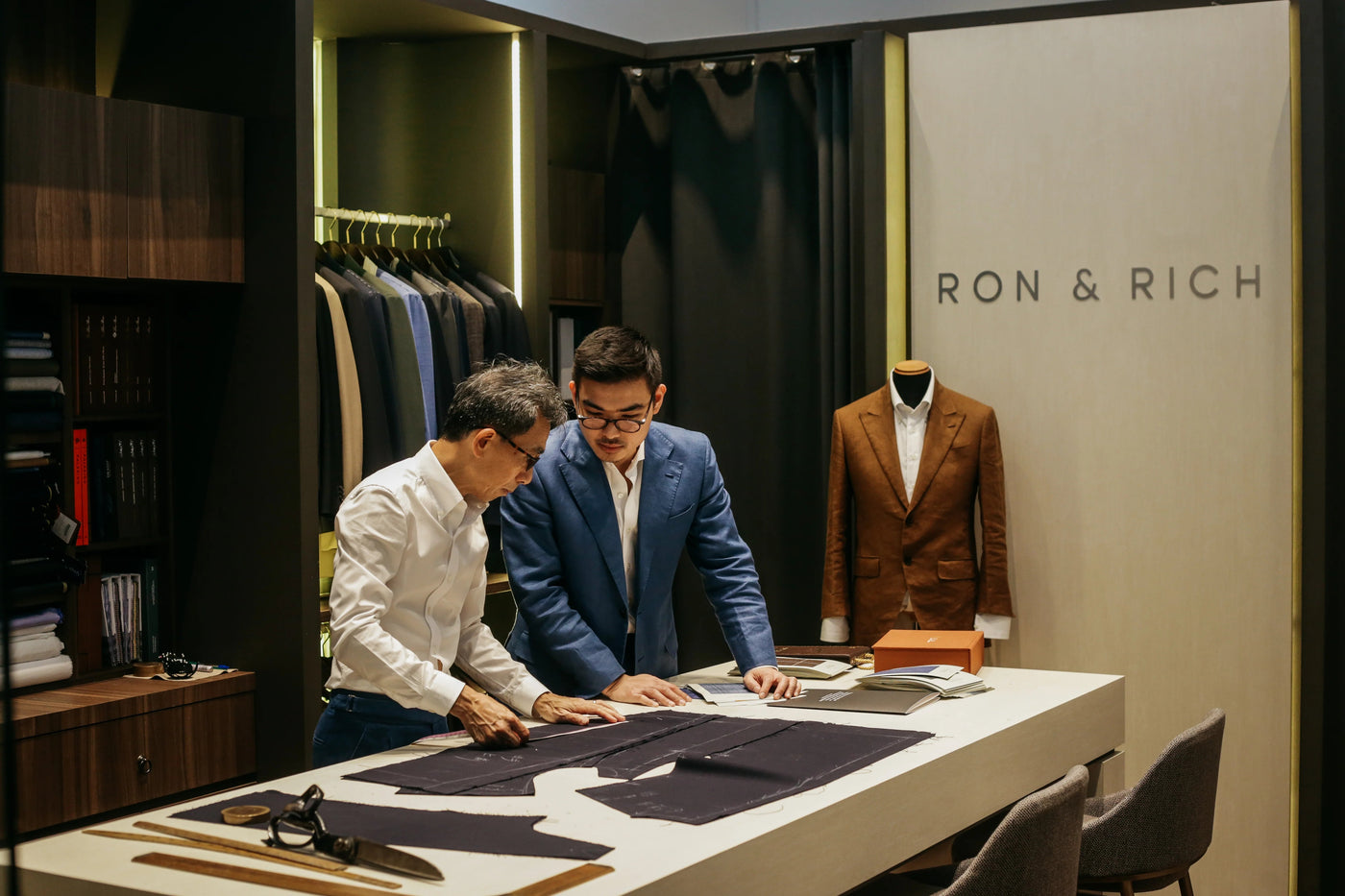
For men who want a camp collar shirt that fits without compromise, Ron & Rich offers bespoke and made-to-measure shirting built on over four decades of tailoring heritage. Every shirt begins with a personal consultation, full measurements, and a fabric selection from our curated range- linens, rayons, and cotton blends chosen for their drape and warm-weather performance.
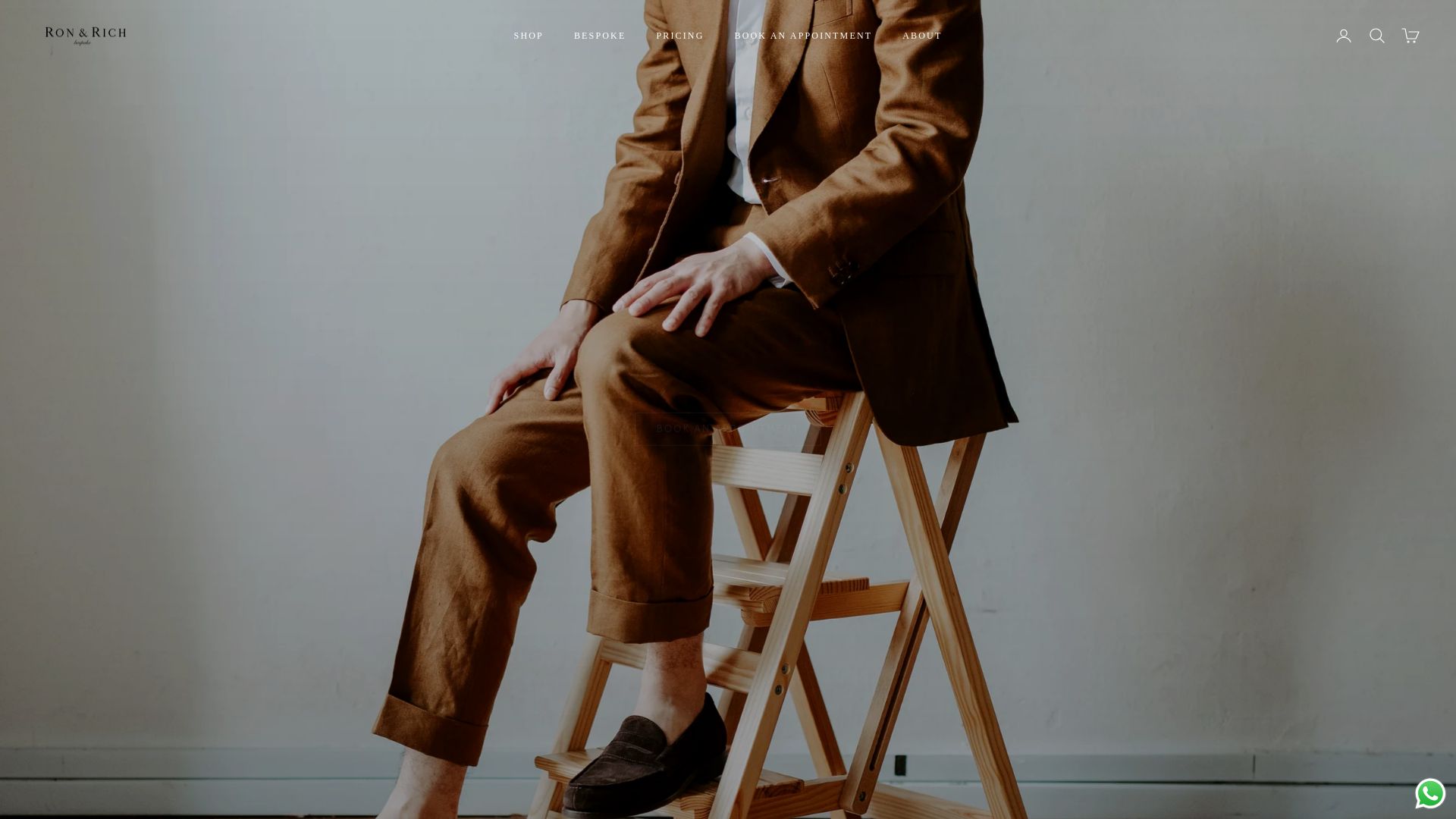
The distinction from mass-market options is precise: collar interfacing matched to your chosen fabric, hem length set to your torso, and sleeve proportions calibrated to your arm. Small alterations and repairs are part of the ongoing relationship, a shirt made here is made to last and to be maintained. Whether you are building a resort wardrobe or want one signature piece that works from a weekend lunch to a smart-casual evening, the bespoke process is the most direct route to a shirt that performs exactly as it should. Book a consultation to begin.
Sources
- Camp shirt, Wikipedia
- If/How to Wear a Suit Without a Tie | The Art of Manliness
- Is a Suit Without Tie Business Casual? | The Tie Bar
- How to Pull Off the No Tie Suit Look for Summer Business Casual | Wikihow