What "Black Tie Optional" Really Means for Your Outfit
Black tie optional means a tuxedo is welcome but not required; a very dark, impeccably tailored suit worn to black-tie standards is an equally correct alternative. The word “optional” refers to the jacket style, never to the formality of the evening. You have two valid lanes: tuxedo, or formal dark suit for men; gown, formal cocktail dress, or tailored jumpsuit for women. If you own a tuxedo, wear it. If you don’t, build a dark suit that meets the same standard.
TL;DR:
- Wearing a tuxedo or a formal dark suit is appropriate for evening events at formal venues, with the choice driven by personal ownership and rental options.
- Men should ensure their outfit adheres strictly to the rules regarding lapels, shirt, tie, and shoes, with midnight blue suits often appearing richer under evening lighting.
- Women and nonbinary guests have more flexibility, with gowns, tailored suiting, and statement accessories, but fabric weight and finish determine formality more than length alone.
- Outerwear should be a formal wool coat or faux fur wrap that matches the outfit’s formality, avoiding casual jackets or puffer coats, especially when transitioning indoors.
- Proper fit and small details like cufflinks, shoe polish, and minimal jewelry are crucial for reading genuine formality, and tailoring from a specialist ensures the outfit reads as appropriate.
Table of Contents
- What Does Black Tie Optional Actually Mean?
- What Should Men Wear: Tuxedo or Dark Suit?
- What Should Women and Nonbinary Guests Wear?
- Small Details That Make an Outfit Read Formal
- What to Avoid at a Black Tie Optional Event
- How to Decide: Tuxedo or Dark Suit?
- Do Regional and Cultural Norms Change the Rules?
- Weddings vs Corporate Events: Does the Dress Code Shift?
- What Outerwear Works Over Formal Attire?
- A Tailor’s Take on What Actually Reads Formal
- Get a Tuxedo or Dark Suit Built for the Occasion
- Sources
What Does Black Tie Optional Actually Mean?
Hosts write “black tie optional” for one reason: they want a formal, elevated room without forcing every guest into a tuxedo rental. The line is a courtesy, not a loophole. As Vogue explains, the flexibility applies to the garment, not the standard behind it. A wedding at 7 p.m. in a grand ballroom is asking for more polish than a 4 p.m. backyard ceremony that happens to share the same dress code wording.
Reading the invitation correctly means looking past the dress code line itself.
- Start time: evening events (after 6 p.m.) generally signal a higher formality bar than daytime ones.
- Venue: hotel ballrooms, private clubs, and historic estates lean formal; barns and gardens allow slightly more latitude.
- Wording nuance: “black tie optional” reads more formal than “black tie invited,” which some hosts use to signal even more flexibility.
- Other cues: a printed, engraved invitation suggests a more traditional crowd than a casual digital save-the-date.
Hosts choose this wording deliberately. It signals they want a polished evening without pricing out guests who don’t own formalwear, according to Dapper Yankee’s guide to the dress code. When you’re unsure how strict the room will be, the safest read is always toward more formal, not less.
What Should Men Wear: Tuxedo or Dark Suit?
Both lanes are correct, but each has non-negotiable rules. Mixing elements from both is where most men go wrong.
The tuxedo lane:
- Satin or grosgrain lapels (peak or notch), matched to satin trouser stripes.
- A tuxedo shirt with a pleated or marcella front, worn with a black bow tie.
- Patent leather or highly polished black oxfords, never derbies with visible stitching.
The dark suit lane:
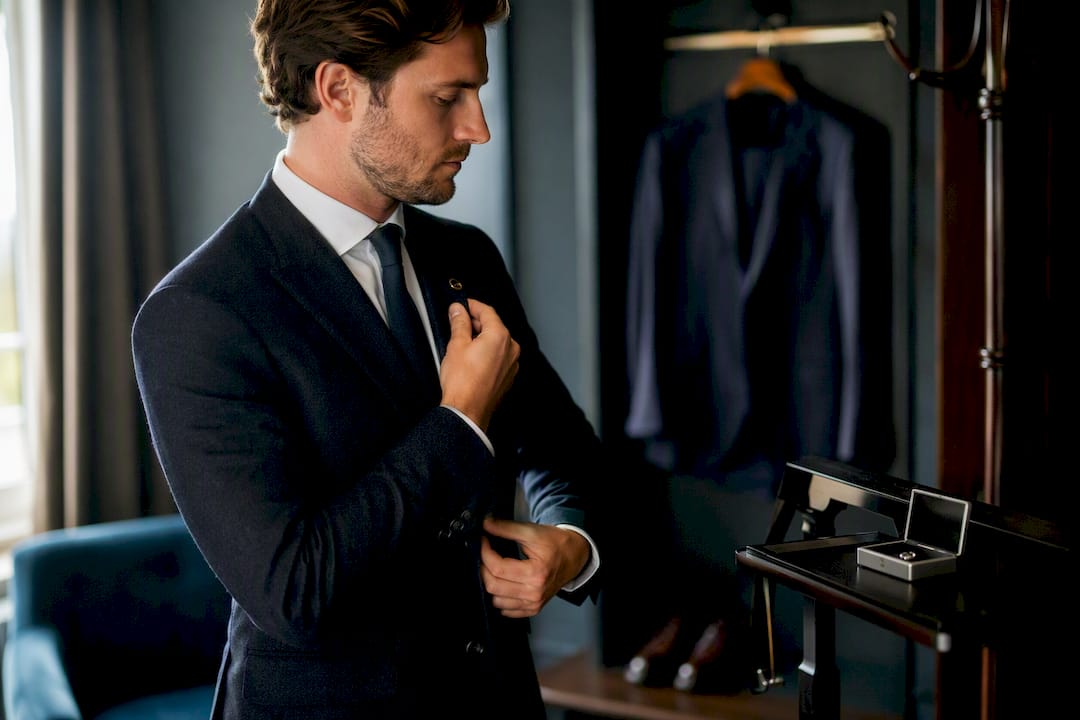
- Solid midnight blue, navy, charcoal, or black, cut from a single suit (jacket and trousers from the same bolt of cloth, never mismatched pieces).
- A crisp white dress shirt with a spread or point collar.
- A dark silk necktie, conservatively patterned or solid, never a bow tie paired with a business suit.
- Polished black leather shoes, oxfords or derbies, always freshly shined.
According to Luxe Digital’s breakdown of the code, midnight blue often reads richer than true black once evening lighting and photography enter the picture, a detail worth remembering if you’re choosing fabric for a new suit rather than reaching for something already in your closet.
Round out either lane with silver or onyx cufflinks, a white linen pocket square folded simply (no fussy points), over the calf socks in matching dark tone, and a fresh shoe shine the morning of the event. A three piece suit with a matching waistcoat is a smart way to close the formality gap with a tuxedo without renting one.
Pro Tip: If you’re debating between renting a tuxedo and elevating a suit you already own, check whether that suit is a true single cloth match, cheap separates rarely pass muster under evening light, even when the colors look close in a closet.
What Should Women and Nonbinary Guests Wear?
The women’s and gender neutral lane offers more room to interpret formality through length, fabric, and cut rather than a rigid template. A floor length gown is always correct for black tie optional, particularly for weddings after 6 p.m. or events at formal venues. A tea length or formal midi dress in a substantial fabric works well for slightly less traditional settings, and a well cut cocktail dress can hold its own if the fabric reads as evening rather than daytime.
BespokeUnit’s guide to the dress code notes that fabric and finish, not just length, are what separate an evening appropriate cocktail dress from something too casual for the room. Silk, satin, velvet, and structured crepe all signal formality; cotton, jersey, and anything with a matte, sporty finish tend to undercut it.
- Formal jumpsuits: a tailored, floor grazing jumpsuit in silk or crepe is now widely accepted as a black tie optional equivalent, especially with statement earrings or a clutch to dress it up.
- Tailored suiting: a sharply cut pantsuit in a dark, structured fabric, styled like the men’s dark suit lane, is a legitimate and increasingly common choice.
- Fabric and color: jewel tones, black, and deep metallics all photograph well; avoid anything with a bridal white cast that could compete with a wedding party.
- Shoes and bags: closed toe or elegant strappy heels, plus a small clutch, complete the look; avoid platform sandals or oversized totes.
The through line across every option is the same one that governs the men’s guidance: formality comes from fabric weight and finish, not just how much skin is covered.
Small Details That Make an Outfit Read Formal
The difference between a good black tie optional outfit and a great one often comes down to details easy to overlook while getting dressed. A bow tie signals tuxedo; a long silk tie signals dark suit. Never combine the two conventions in one outfit.
- Cufflinks in silver, onyx, or mother of pearl finish a shirt cuff properly.
- Patent leather shoes belong with a tuxedo; polished black calf leather belongs with a dark suit.
- Sheer or opaque hosiery in a neutral or black tone finishes a gown or cocktail dress; bare legs read more casual under evening lighting.
- A structured clutch beats a shoulder bag for evening wear.
- Save bold statement jewelry for accents. A single striking piece, not several competing ones, reads more polished.
Pro Tip: Skip a sport watch or fitness tracker with formalwear. A slim dress watch, or no watch at all, keeps the wrist in step with the rest of the outfit.
What to Avoid at a Black Tie Optional Event
A handful of choices reliably undercut formality no matter how well the rest of the outfit is put together.
- Daytime suits in light gray, tan, or seersucker, along with linen or heavily textured casual fabrics.
- Odd jackets paired with non-matching trousers, or any suit where the jacket and pants weren’t cut from the same cloth.
- Sneakers, sandals, or any casual footwear, including brown shoes with a formal dark suit.
- Going tieless at an evening event, or wearing loud, casual patterns instead of solids or subtle textures.
DiscoverFashions’ guide to the dress code points to three constants across both the tuxedo and suit lanes: a matching jacket and trousers, a white shirt, and polished black shoes. Skip any one of the three and the outfit stops reading as black tie optional.
How to Decide: Tuxedo or Dark Suit?
Start with the invitation, then work through a short checklist.
- If the event is after 6 p.m. at a formal venue, and you already own a tuxedo or can rent one comfortably, wear it. The Knot’s style advisors note that a tuxedo will never look overdressed at a black tie optional event, while underdressing tends to stand out immediately.
- If you don’t own a tuxedo and renting isn’t appealing, a genuinely formal dark suit, tailored well, closes most of the gap.
- If the event feels more relaxed (afternoon start, garden or barn venue), a dark suit is not just acceptable, it’s often the more natural choice.
On timelines: renting a tuxedo is the fastest route for a one off event, often same week. Tailoring a suit from scratch needs more lead time for fittings and adjustments, so plan several weeks out if the event matters to you.
Pro Tip: If the invitation leaves you genuinely unsure, a short, polite note to the couple or host, something like “Just want to make sure I’m dressed appropriately, is a dark suit okay or would you prefer tuxedos?”, solves the ambiguity faster than guessing.
Do Regional and Cultural Norms Change the Rules?
Black tie optional carries slightly different weight depending on where the event happens. In the United States and Canada, the code is widely understood as tuxedo-or-dark-suit, with fairly loose enforcement outside major cities. In the United Kingdom, “black tie” alone tends to be taken more literally, and “optional” additions are less common on formal invitations, so a British host using this exact phrase is often signaling deliberate flexibility for international guests.
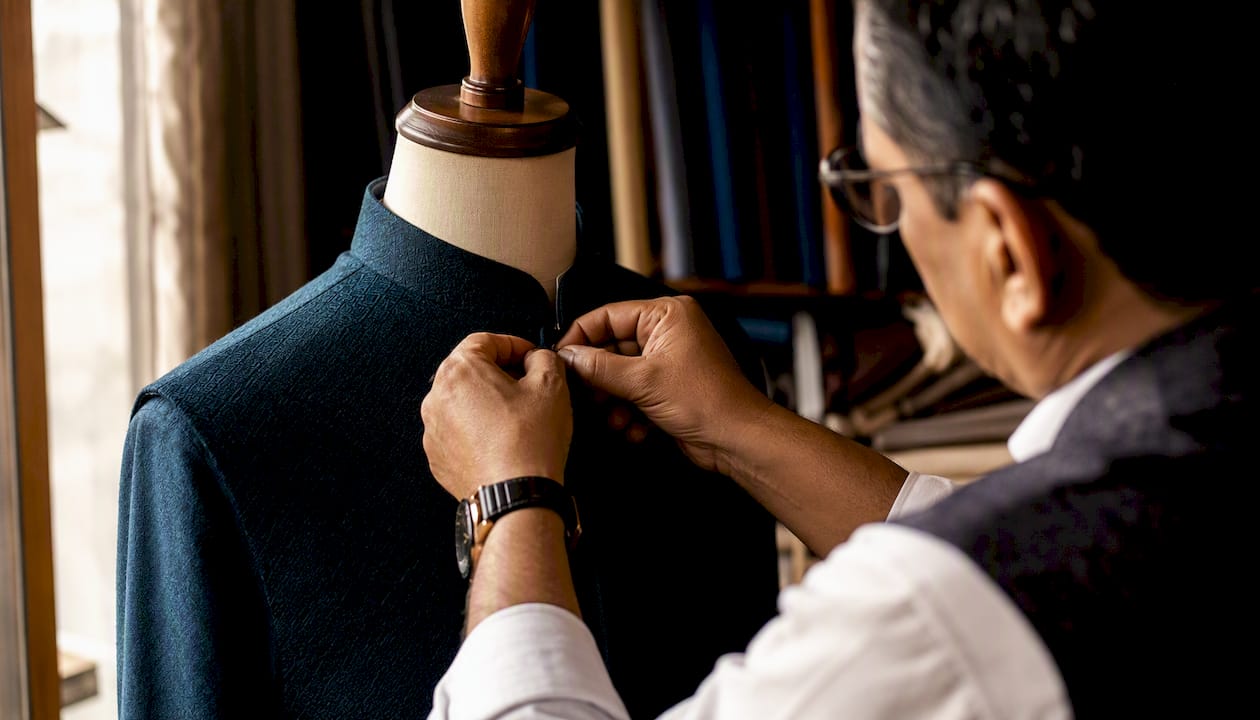
In many parts of Asia, including Singapore, black tie optional at weddings and corporate galas frequently accommodates traditional formal wear, such as a barong tagalog or a Nehru style jacket, as an equally correct alternative to a Western tuxedo. Hosts in multicultural cities often expect a mix of Western formalwear and cultural formal dress at the same event, and neither reads as underdressed.
Climate matters too. In tropical settings, lightweight wool or wool blend tuxedos and suits in darker tones let guests meet the formality bar without linen or cotton, which read as too casual regardless of color. The safest approach anywhere in the world is the same: match the fabric weight and finish to evening formality first, then adapt the specific garment to local convention.
Weddings vs Corporate Events: Does the Dress Code Shift?
Black tie optional means slightly different things depending on who’s hosting. At weddings, the phrase usually reflects the couple’s desire for a formal atmosphere in photographs without requiring every guest, especially those traveling or attending multiple weddings a year, to own a tuxedo. Expect more flexibility on color and styling, and more tolerance for personal expression within the formal boundaries.
At corporate galas, award dinners, and industry events, black tie optional tends to run stricter in practice, even though the wording is identical. Executives and senior staff often default to full tuxedos, which quietly raises the bar for everyone else in the room. A dark suit is still technically correct, but it needs to be genuinely sharp, well fitted, and free of any casual details, since the audience skews more formalwear literate than an average wedding guest list.
The safest strategy for a corporate event is to lean slightly more formal than you would for a wedding with the same dress code line. If colleagues or the invitation itself give any indication that leadership plans to wear tuxedos, a well cut midnight blue or charcoal suit closes the gap far better than a lighter gray or a more casual cut.
What Outerwear Works Over Formal Attire?
Weather and venue transitions, walking from a car to a ballroom, standing outside for a receiving line, demand outerwear that doesn’t undo the formality underneath. A wool overcoat in black, charcoal, or navy is the safest choice over either a tuxedo or a dark suit, ideally long enough to cover most of the jacket. A trench coat in a dark, solid color can work for a dark suit lane but tends to look too casual over a full tuxedo.
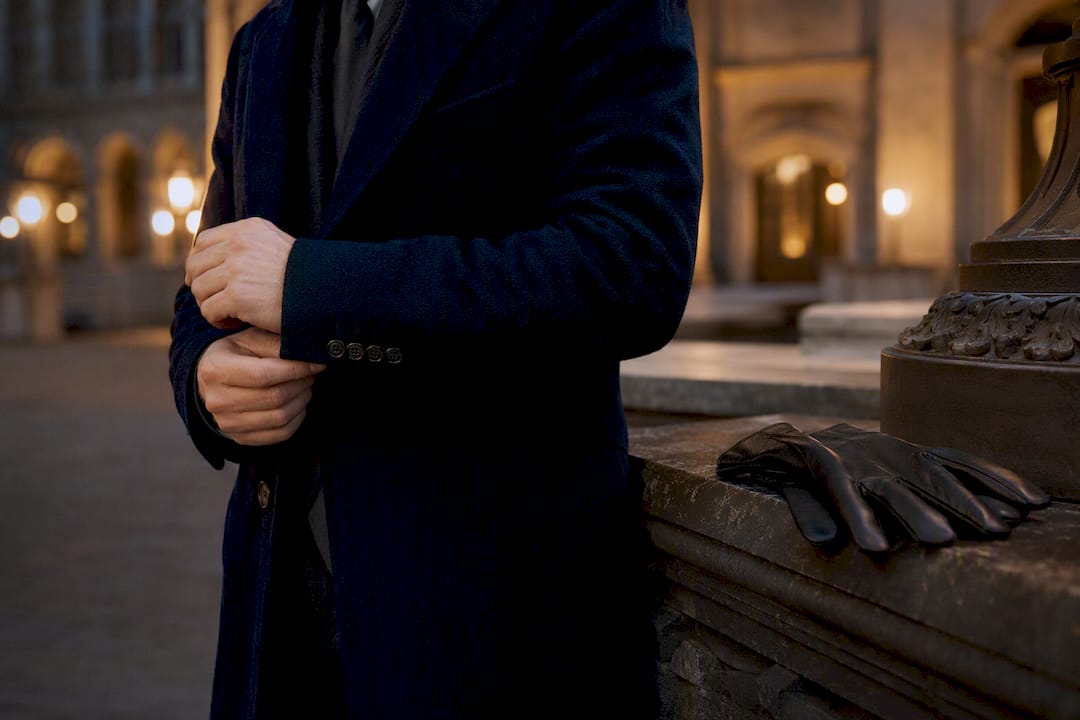
Avoid puffer jackets, denim jackets, or anything with a casual, sporty cut, no matter how cold the evening. If the weather requires real warmth, a formal wool coat with a proper collar carries the look far better than layering a casual jacket on top of formalwear. For women, a tailored wool coat, a faux fur wrap, or a structured shawl in a fabric that matches the dress’s formality works better than a puffer or denim jacket, which instantly reads as daytime.
Scarves, if worn, should stay in solid or subtly patterned silk or wool, not bulky knit styles meant for weekend wear. The goal with any outerwear at a black tie optional event is the same as with the rest of the outfit: it should disappear the moment you step inside, not compete with what’s underneath it.
A Tailor’s Take on What Actually Reads Formal
Most guides stop at fabric and color, but the detail that separates a passable dark suit from one that reads genuinely formal is fit, and fit is where most rented or off the rack suits quietly fail. At Ron & Rich, we’ve spent decades since our founding in 1979 watching guests overthink color choices while ignoring the three adjustments that matter most: shoulder seams that sit exactly at the natural shoulder line, sleeves shortened to show a quarter to half inch of shirt cuff, and a trouser break kept minimal rather than pooling at the ankle.
A narrower lapel proportion also does more visual work than people expect, it’s often the difference between a suit that looks like it was bought for the occasion versus one that looks like it belongs to a tuxedo’s family. Midnight blue, cut this way, can close most of the visible gap with an actual tuxedo, particularly once the room’s lighting turns everything slightly warmer at night. The rules aren’t complicated. They’re just rarely followed with any precision, which is exactly why so many “black tie optional” outfits end up looking closer to business casual than black tie.
Aaron Fan
Get a Tuxedo or Dark Suit Built for the Occasion
Renting solves one event. A properly tailored bespoke suit or tuxedo solves every black tie optional invitation you’ll receive after it, without the annual scramble to find something that fits and photographs well. Ron & Rich builds both lanes from scratch, tuxedos with correctly proportioned satin lapels and dark suits cut from a single cloth with the shoulder, sleeve, and trouser break adjustments that make the difference under evening light.
If your event is weeks away, our bespoke tailoring process allows enough lead time for a proper fitting and a second adjustment before you need to wear it. Browse our suits and jackets to see current cloths and cuts, or start with a custom shirt if your existing suit just needs the right shirt to finish the look. Book a consultation and tell us the date, the venue, and the dress code line on your invitation, we’ll tell you exactly which lane best to take.
Sources
- What Is “Black Tie Optional”? The Most Confusing Wedding Dress Code, Explained, Vogue
- Do You Know What Black-Tie-Optional Attire Looks Like?, The Knot
- Black Tie Optional For Men: What To Wear, Luxe Digital
- Black Tie Optional: What Does It Mean & What Can I Wear?, BespokeUnit