Custom Shirts in Singapore: A Complete Guide to Bespoke Shirt Tailoring, Fit & Fabrics
A well-fitted shirt changes how you look and feel, especially in the hot and humid climate of Singapore. This blog will explain how custom shirts in Singapore work, from fabric and fit to styling and pricing options, so you can order with confidence.
What are Custom Shirts?
Imagine wearing something that is based entirely on your body measurements and preferences. Sounds cool, right? A custom shirt is exactly that. This term covers both made-to-measure and fully bespoke shirts. You choose the fabric, collar, cuffs, and finishing details, so the results show your body and your choice perfectly.
Custom vs Ready-Made Shirts
Ready-made shirts are cut according to an average body size, so compromises are really common: sleeves that are too long, a loose waist or a collar that gapes. Tailored shirts in Singapore are built around your proportions, so the fit is right from the very first wear.
Why Professionals Choose Custom Shirts
If you spend long days in meetings or travel often, a shirt that stays sharp and comfortable matters a lot. A custom shirt sits properly and cleanly under a jacket, holds its shape throughout the day and presents a polished image.
Custom vs Made-to-Measure vs Bespoke Shirts
Made-to-Measure Shirts
Made-to-measure shirts start from an existing base pattern, which is then adjusted to your measurements. They offer a strong fit and plenty of choice at a more accessible price, which makes them popular for everyday and work shirts.
Bespoke Shirts
Bespoke shirts begin with a pattern drafted from scratch for your body. They allow the highest level of fit refinement and personal detail, and they often involve fittings and adjustments along the way.
Which Option Is Right for You?
If you have a fairly standard build and want a better fit than retail, made-to-measure shirts in Singapore are often enough. If you have a hard-to-fit build or want full control over every detail, bespoke is worth considering. A good tailor will advise you honestly.
Here is a quick comparison to help you decide:
| Feature | Ready-Made Shirts | Made-to-Measure Shirts | Bespoke Shirts |
|---|---|---|---|
| Pattern | Standard size | Base pattern adjusted to your measurements | Drafted from scratch for your body |
| Fit | General, often with compromises | Strong, tailored fit | Highest level of refinement |
| Fabric & Detail Choice | Limited | Wide range | Widest range, full control |
| Fittings | None | Usually minimal | Often multiple fittings |
| Price Level | Lowest | Mid-range | Highest |
| Best For | Occasional wear | Work and everyday shirts | Hard-to-fit builds and special orders |
Benefits of Choosing Custom Shirts in Singapore
The biggest advantage is fit and comfort. A custom shirt doesn't pull across the chest, bunch at the waist or gather at the wrist, so you can move freely through a long day. Beyond comfort, you get to shape the shirt to your own style. From the collar shape to the colour of the buttons, every detail can match your taste and your workplace dress code.
Custom tailoring also opens up a better range of fabrics. Tailors work with finer cottons, linens and blends than most retail shirts use, and you can feel the difference in the weave and the way the shirt drapes. These shirts also tend to last longer. Better fabric and construction hold up through repeated washing, and because you reach for a well-fitted shirt more often, the cost per wear drops over time.
Choosing the Right Fabric for Singapore's Climate
With year-round heat, high humidity and cold air-conditioned offices, fabric matters as much as fit.
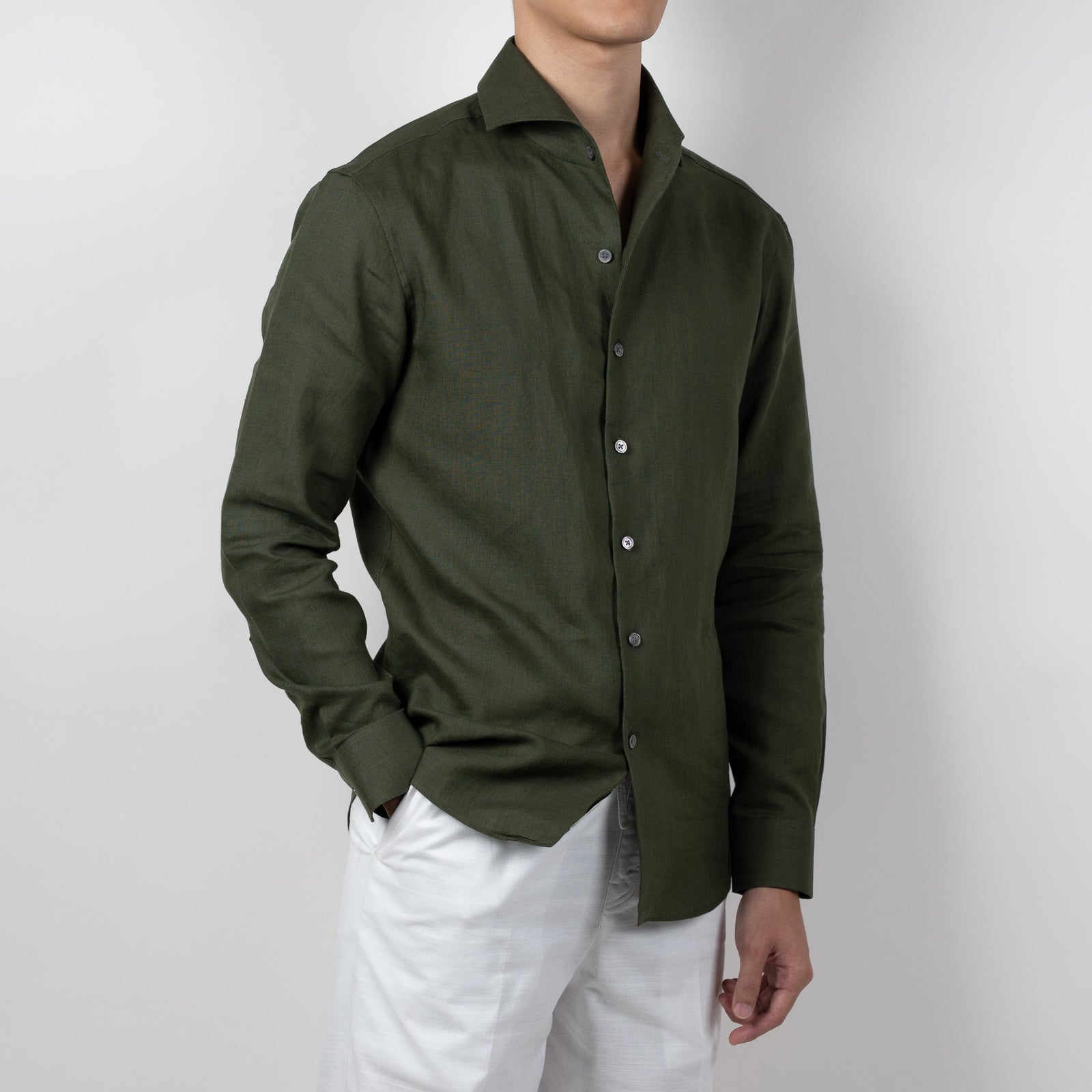
Cotton is the dependable all-rounder: breathable, soft and versatile. Poplin is crisp and smooth, which suits the office. Twill is slightly heavier with a subtle texture, while oxford is durable and relaxed. Linen is the coolest option, extremely airy and quick-drying, which makes it ideal for hot days. It does crease easily, but that is part of its relaxed charm.
If you want linen's breathability without as many wrinkles, cotton-linen blends are a practical middle ground. They feel smoother than pure linen and work well for smart casual wear. Whichever you choose, look for lighter weaves and finer yarns that let air circulate. A higher thread count isn't always cooler, since very dense fabrics can trap heat.
Best Custom Shirt Styles for Different Occasions
For business, a crisp white or light blue shirt in poplin or fine twill, with a structured collar, is hard to beat. Wrinkle-resistant fabrics help you look fresh through long days. For smart casual settings, softer collars, subtle textures, patterns and linen blends look sharp without a tie.
Weddings call for refined fabrics and clean detailing, whether you are the groom, a groomsman or a guest, with a fit that looks good in photos. For everyday wear, easy-care, breathable cotton shirts are comfortable enough to wear on repeat and versatile enough to dress up or down.
Conclusion
Custom shirts offer better fit, greater comfort, personal style and lasting value. The three things that matter most are fit, fabric and personalisation, and getting them right makes a shirt you'll want to wear again and again.
Ready to experience the difference? Visit Ron & Rich or book a consultation to get measured and explore our custom shirting service.
FAQs About Custom Shirts in Singapore
Q1: How much do custom shirts cost in Singapore?
Prices depend on fabric, detailing and the type of tailoring. Contact Ron & Rich for a quote based on your requirements.
Q2: Are bespoke shirts worth it?
Yes, if you value fit, comfort and durability. They are especially worthwhile for professionals, frequent shirt wearers and anyone who struggles with off-the-rack sizing.
Q3: How long does it take to make a custom shirt?
Timelines vary with fabric availability and whether fittings are needed. Ron & Rich can confirm the turnaround when you place your order.
Q4: What is the best fabric for Singapore weather?
Lightweight cotton, linen and cotton-linen blends are the best choices because they breathe well and handle humidity.
Q5: How should a dress shirt fit?
The collar should be comfortable, the shoulder seams should sit at the edge of your shoulders, and the body should be neither tight nor baggy. Sleeves should end at the wrist, and the length should stay tucked in.