Tuxedo Tailor in Singapore: Commissioning a Bespoke Dinner Jacket
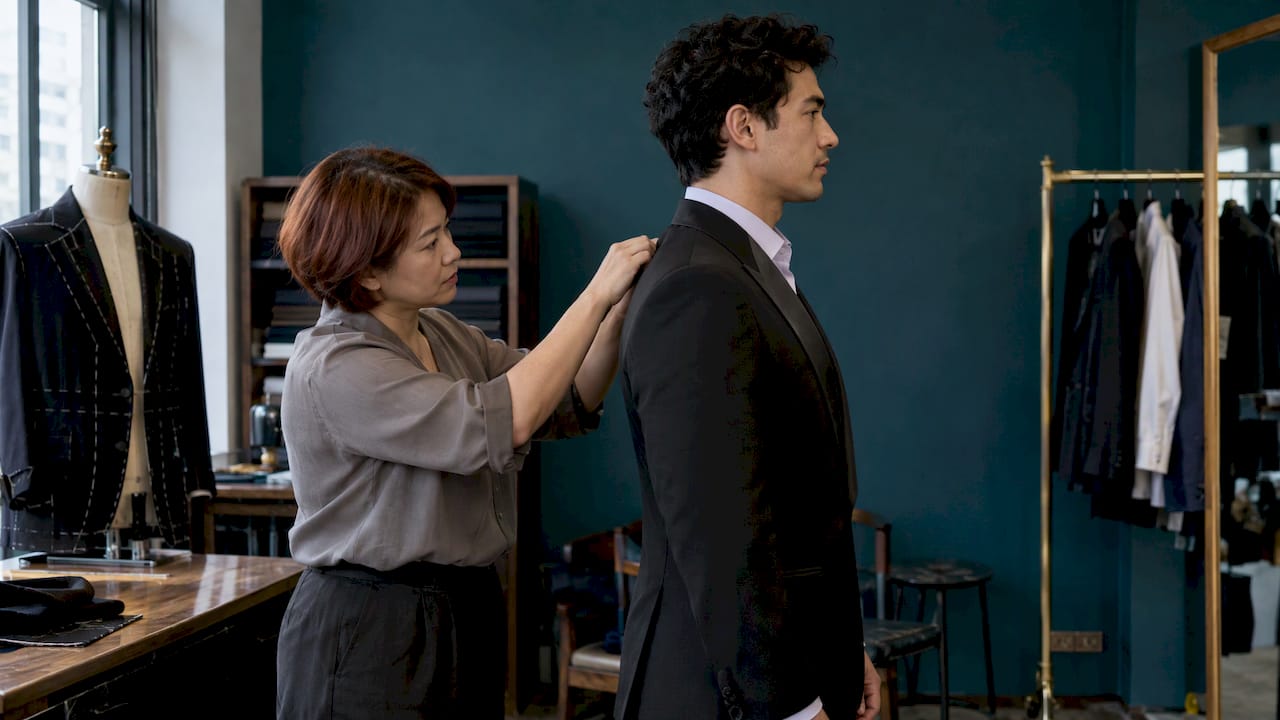
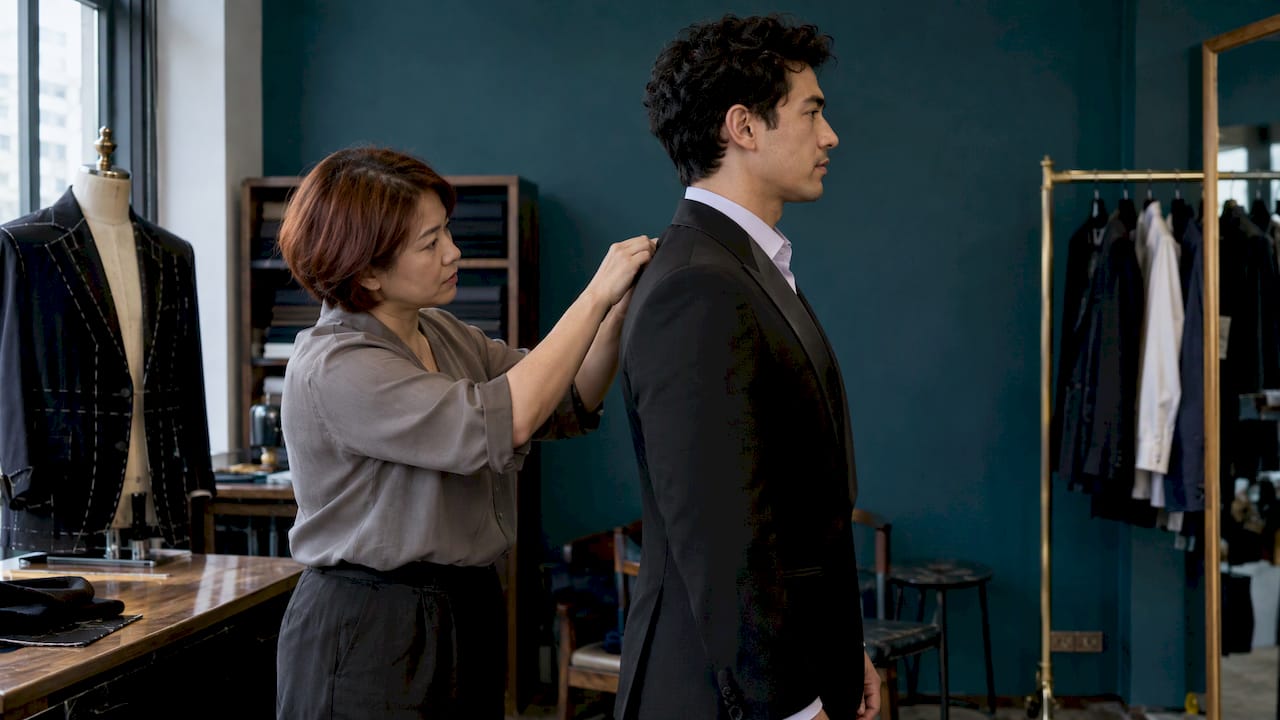
A bespoke tuxedo is cut from a pattern drafted for your body alone, then refined over fittings until the shoulders, collar and waist sit cleanly. In Singapore, where black-tie evenings, weddings and gala dinners are worn in a humid climate, that fit matters more than any label. We have made suits in this city since 1979, and a bespoke tuxedo from Ron & Rich starts from $2,270.
This guide explains what bespoke means, which styles and fabrics suit black tie, how the process runs, what you should expect to pay, and how to choose the right tailor for a dinner jacket you will wear for years.
TL;DR
- A bespoke tuxedo is drafted from an individual pattern and adjusted over fittings, so it fits your posture and proportions rather than a standard block.
- Choose the classic details for black tie: black or midnight blue wool, silk-faced lapels, a single button and a ventless or discreetly vented back.
- Our tuxedos start from $2,270, with shirts from $199, trousers from $290 and waistcoats from $380.
- Begin the commission well before your event, so there is room for a basted fitting and any final adjustments.
- Judge a tailor by the fittings they offer, the craftsmanship of the facings and canvas, and how long they have been cutting evening wear.
Table of Contents
- What a bespoke tuxedo actually is
- Why a tuxedo is worth having made for you
- Dinner jacket styles, fabrics and details
- How the bespoke process works
- What a well-fitting tuxedo looks like
- What a tuxedo costs in Singapore
- When to begin
- Choosing a tailor for a dinner jacket
- Our perspective
- Your tuxedo, made for you
- FAQ
- Sources
What a bespoke tuxedo actually is
The words bespoke, custom and made-to-measure are often used as if they were one. They describe different levels of work.
Ready-to-wear is cut to standard sizes. You choose the closest size and alter it afterwards, which can correct length but rarely the shape of the shoulder or chest.
Made-to-measure takes your measurements and adjusts an existing pattern. It improves on off-the-rack, but the underlying block remains someone else’s.
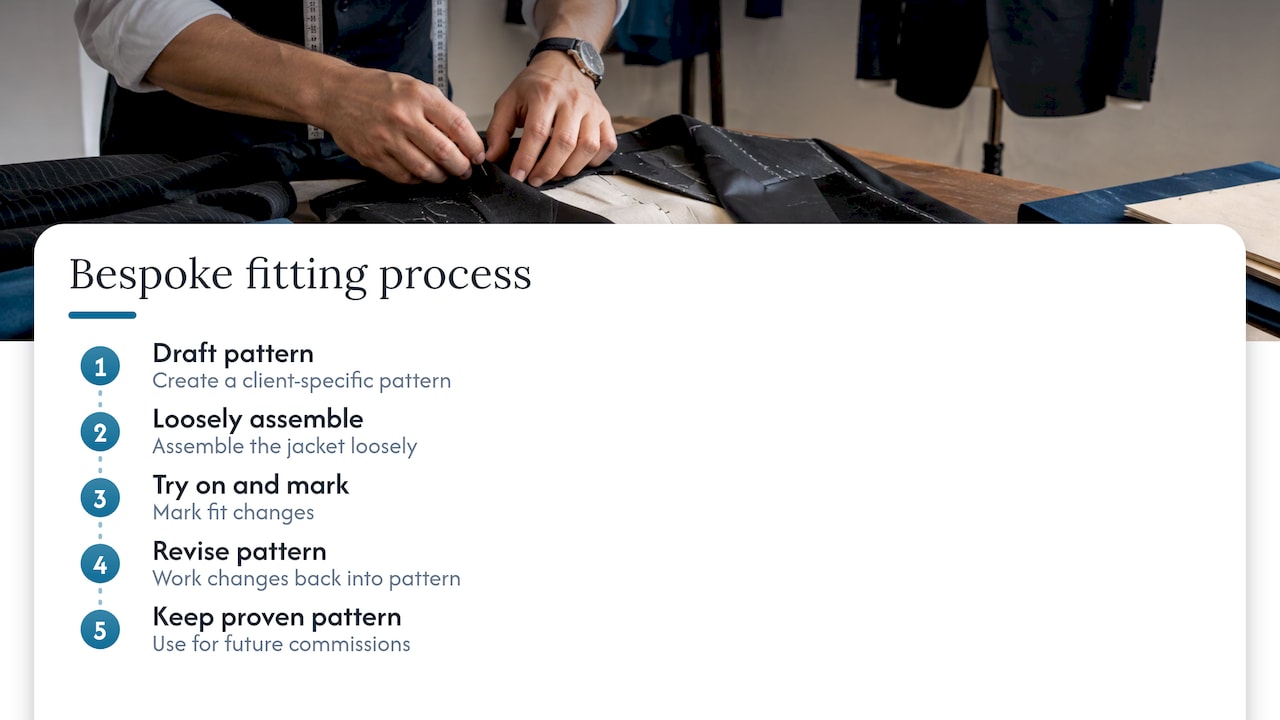
Bespoke begins with a new pattern drafted for you. The jacket is first assembled loosely, tried on, and marked for changes, which are then worked back into the pattern. The pattern is the lasting result: future commissions begin from a fit already proven on your body.
For a tuxedo, the distinction is practical. Evening wear is judged in close, formal company, often in photographs, and it is worn standing, dancing and sitting through long dinners. A jacket that collapses at the collar or pulls across the back shows at once.
Why a tuxedo is worth having made for you
Most men wear a tuxedo a handful of times a year. That is precisely why a commissioned one pays off: it stays in the wardrobe for a decade or more, it does not date, and it is ready each time an invitation arrives, rather than being hired at the last minute in whatever size remains.
For grooms, the argument is sharper still. A wedding suit is photographed more than any garment you will own. A jacket cut to your shoulders and waist photographs well from every angle, and it can be worn again to later black-tie occasions.
Executives and professionals who attend annual dinners, charity galas and award evenings gain a garment that reflects the same care as their business suits. If you already wear tailored daywear, you will recognise the difference. Our notes on why more men choose tailor-made suits in Singapore set out the reasoning in more detail.
Dinner jacket styles, fabrics and details
Black tie is a codified dress standard, so the choices that matter are refinements within a clear frame. These are the decisions you will make with your tailor.
Colour: black or midnight blue
The dinner jacket is traditionally made of black or midnight blue wool, with silk lapels and facings in grosgrain or satin, according to the standard reference on black tie. Black is the expected choice. Midnight blue is a refined alternative that reads as nearly black, and it keeps its depth of colour under artificial light, which is why it is often favoured for evening events.
Lapels and facings
The lapel is where a tuxedo announces itself. Peak lapels are the most formal and flatter a broad chest. Shawl lapels, a continuous curve with no notch, are soft and elegant and suit a single-breasted jacket with a single button. Notch lapels are the most common on daywear and acceptable on evening wear, though they sit closest to a business suit.
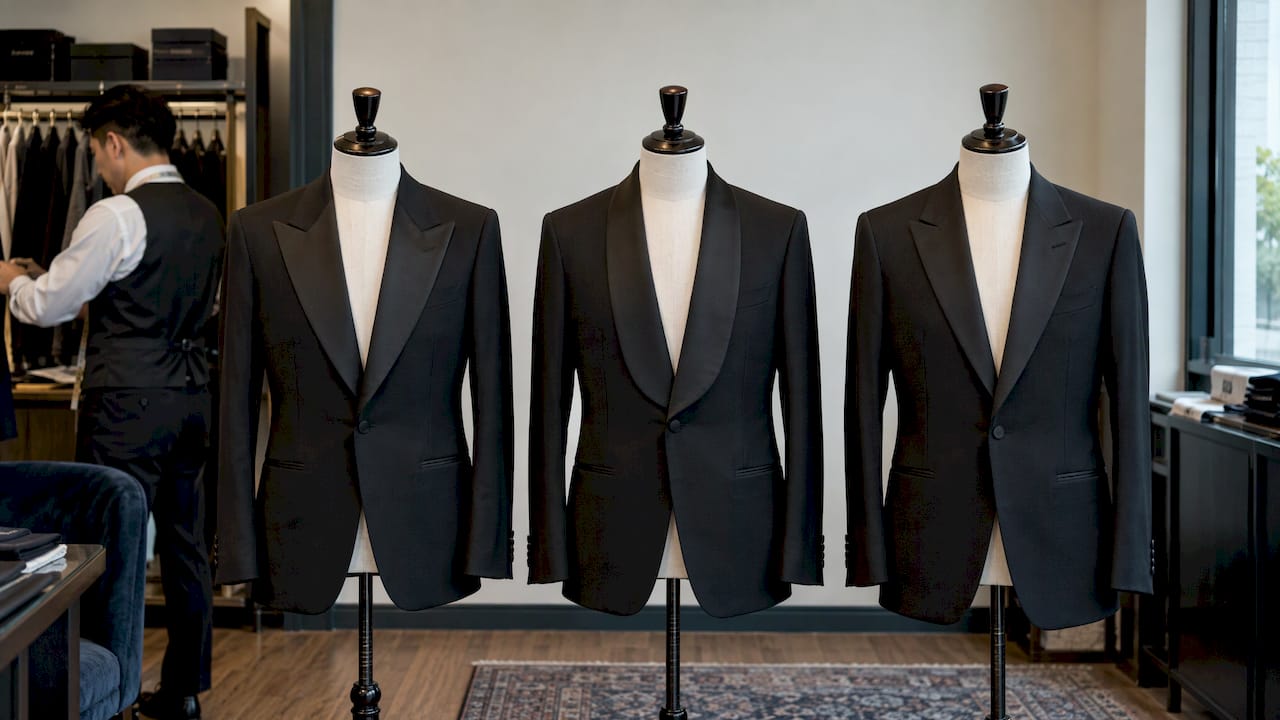
Facings in satin give a pronounced sheen. Grosgrain, a ribbed silk, is more restrained. Both are correct, and the choice is one of taste: satin for a brighter evening look, grosgrain for quiet understatement.
Buttons, pockets and back
The most traditional model is single-breasted with one button and jetted pockets, those with a narrow welt and no flap. A ventless back is considered more formal than side or centre vents, as the same reference notes. In a warm city, a discreet vent can add comfort when sitting, and a good tailor will weigh this against the cleanness of the line.
Fabric for Singapore’s climate
Evening wear is not worn daily, so the cloth can be finer than that of a working suit. A lighter, breathable wool keeps its drape through a long evening in warm, humid conditions, and a quality cloth also resists creasing when you sit. When we cut a tuxedo, we choose premium fabrics suited to Singapore’s climate, and we discuss with you how long the evening is likely to be, indoors or out.
Waistcoat or cummerbund
Black tie traditionally covers the waistline with either a low-cut waistcoat or a cummerbund, so that no shirt shows between trousers and jacket. A waistcoat, available from $380, adds a third tailored layer and can be removed on a hot evening without leaving the look incomplete.
Shirt and trousers
The shirt is half the picture at black tie. A custom-tailored dress shirt, from $199, gives the collar, cuff and sleeve length that keep the jacket looking balanced. Trousers should match the jacket, be cut without turn-ups and carry a silk braid down the outer seam. Our tailored trousers start from $290.
How the bespoke process works
The sequence is straightforward, and each stage has a purpose. Our full bespoke tailoring process is set out on our site; here is what to expect for a tuxedo.
- Consultation. You describe the occasion, how often you expect to wear the tuxedo, and the style you prefer. This is the moment to raise concerns about fit: a sloping shoulder, a prominent stomach, a stooped posture or one shoulder higher than the other. These are the very matters a personal pattern is meant to answer.
- Measurement and pattern. Your measurements are taken and a pattern is drafted for your body. This is the stage that separates bespoke from adjusted stock sizes.
- Fabric and details. You choose cloth, colour, lapel and facing, button arrangement and back. Decide on a waistcoat or cummerbund and the trousers now, so the whole outfit is cut together.
- Basted fitting. You try the jacket in a loosely stitched state, so the master tailor can see how the collar, shoulders and lapels sit before the garment is finished. Changes are easy to make at this point.
- Adjustments. Every change is marked and worked into the pattern. Further fittings follow as needed until the jacket sits as it should.
- Collection. You try the finished tuxedo with the shirt and shoes you intend to wear, and any final refinements are made.
Bring the shirt you plan to wear to your fittings, along with dress shoes, so the length of sleeve and trouser break can be judged correctly. Weight changes matter too: if you are dieting for a wedding, tell your tailor, who can time the fittings accordingly.
What a well-fitting tuxedo looks like
A good fit is something you can check in the mirror, whatever tailor you choose.
- Collar. It lies flat against the back of your neck and the shirt collar, with no gap and no ripple.
- Shoulders. The seam ends where your shoulder ends. The sleeve falls cleanly, without dimples or a collapsing edge.
- Chest and waist. With the single button fastened, the jacket lies flat. It should suppress no pull lines, and gently follow your waist.
- Sleeves. They end at the wrist bone, showing roughly a centimetre or so of shirt cuff.
- Length. The jacket covers the seat and balances your proportions.
- Trousers. They hang straight from the hip, with a clean break at the shoe and no bunching at the ankle.
- Movement. You can raise your arms, sit and dance without the jacket riding up or the collar lifting away.
Because a bespoke jacket is built on a pattern drawn for you, these points are addressed in the making rather than corrected afterwards.
What a tuxedo costs in Singapore
Prices vary with the cloth, the level of handwork and whether the garment is cut from a personal pattern. Our own prices, as published on our pricing page, are:
| Garment | Starting price |
|---|---|
| Tuxedo | from $2,270 |
| Waistcoat | from $380 |
| Trousers | from $290 |
| Shirt | from $199 |
If you wish to understand how cloth, canvas and facings shape the final figure, our breakdown of the custom tuxedo cost in Singapore walks through each part.
It helps to compare on the right basis. A hired tuxedo is a fee for a single evening. A bespoke tuxedo is a garment you own, fitted to you, and worn across many occasions: divide its price by the number of events over ten years, and the figure becomes modest. A wedding suit that later serves as your black-tie suit works harder still.
When to begin
Begin as soon as the date is fixed. A bespoke garment needs time for pattern drafting, the basted fitting and adjustments, and a busy wedding or gala season can crowd the calendar. For a wedding, start well before the invitations go out, so the groom’s outfit is settled before the rest of the planning narrows your time. If your event is close, speak to us first: we will tell you plainly what the commission involves and when to come in.
It is wise to schedule the final fitting a little before the event, rather than the week of it, so any last refinement is never rushed.
Choosing a tailor for a dinner jacket
Several questions separate a tailor who truly understands evening wear from one who simply sells it.
- Is the pattern yours? Ask whether the jacket is cut from an individual pattern and whether that pattern is kept for later commissions.
- How many fittings are there? A basted fitting before the jacket is finished is the mark of a genuine bespoke process.
- How is the jacket made? Look at the construction of the lapel and the finish of the facings. A well-made evening jacket has crisp silk facings, clean edges and a collar that rests against the neck.
- What is the tailor’s experience? Evening wear has its own conventions: braided trousers, covered waist, silk-faced lapels. A house with decades behind it will have cut many.
- Do they advise on the whole outfit? Shirt, trousers, waistcoat and the proportions between them should be considered together.
- Is the pricing clear? Published starting prices, as ours are, let you plan before you walk in.
Our guides to choosing the best custom suit tailor in Singapore and to the best bespoke suit tailor apply equally to a dinner jacket.
Our perspective
A tuxedo is the one garment where there is nowhere to hide. The silk faces, the clean line of the lapel and the quiet of a ventless back leave every flaw in the shoulder and collar visible, and so the fit must be right before anything else.
Richard Fan founded our house in 1979 on a simple belief: that a master tailor’s judgement, applied to one man at a time, produces a better garment than any standard block. That is why we draft a pattern for each client, try the jacket in its basted state, and refine it until it sits as it should.
We favour timeless choices for evening wear: black or midnight blue, a refined lapel, a considered cloth for Singapore’s warmth. These are not rules for their own sake. They are what keeps a tuxedo looking right in photographs twenty years from now, and what lets you wear it with ease at the tenth event as at the first.
Come with the occasion in mind, and we will shape the rest around you.
Ron
Your tuxedo, made for you
Our house specialises in bespoke menswear: tuxedos, wedding suits, trousers, shirts and waistcoats, all made with traditional tailoring techniques and a modern sense of design. Each commission is built around personal consultation and fittings, so the result suits your frame and your occasion.
To see the tuxedo range and begin, visit our bespoke tuxedo page, or see our full price list.
If you are also planning a wedding wardrobe or business suits, we can cut these alongside the tuxedo, so the whole collection shares one fit. Our bespoke page introduces the house, and our business suits show how the same craft is applied to daywear.
FAQ
What is the difference between a bespoke and a custom tuxedo?
A bespoke tuxedo is cut from a pattern drafted for you and refined over fittings, including a basted stage. Custom or made-to-measure generally adjusts an existing pattern to your measurements. Both improve on off-the-rack, but bespoke gives the most control over shoulder, collar and balance.
How much does a bespoke tuxedo cost in Singapore?
At Ron & Rich, tuxedos start from $2,270, with trousers from $290, shirts from $199 and waistcoats from $380. The final price depends on the cloth and the details you choose. Our tuxedo cost guide explains what shapes it.
Should I choose black or midnight blue?
Both are correct for black tie. Black is the classic expectation, while midnight blue is a refined alternative that appears very deep under evening light. If you will wear the jacket often, either works well; we can show you both in cloth.
Can I wear my wedding tuxedo again?
Yes. A tuxedo in black or midnight blue with classic silk facings is made for repeated black-tie occasions, such as galas, dinners and award nights. That is one of the strongest reasons to have a wedding suit made to measure rather than hired.
How early should I begin?
Begin as soon as your date is fixed. A bespoke commission includes pattern drafting, a basted fitting and adjustments, so it is best not to leave it to the last weeks. Our process page explains each stage.